Why Winning Feels So Good – How the Brain’s Reward System Is Activated


Why Winning Feels So Good – How the Brain’s Reward System Is Activated
Whether it’s hitting the winning shot in a basketball game, landing a promotion at work, or scoring big in a trivia night with friends, winning feels amazing. That rush of excitement, the quickened heartbeat, and the sense of triumph are not just emotions—they’re the result of a complex reaction inside the brain’s reward system. But what exactly happens in the brain when we win, and why do we crave that feeling again and again?
Dopamine – The Brain’s Reward Signal
When we experience something positive, our brain releases dopamine—a neurotransmitter that plays a key role in motivation, pleasure, and learning. Dopamine doesn’t just surge when we receive a reward; it also spikes in anticipation of one. That’s why the moments leading up to a possible win can feel almost as thrilling as the victory itself.
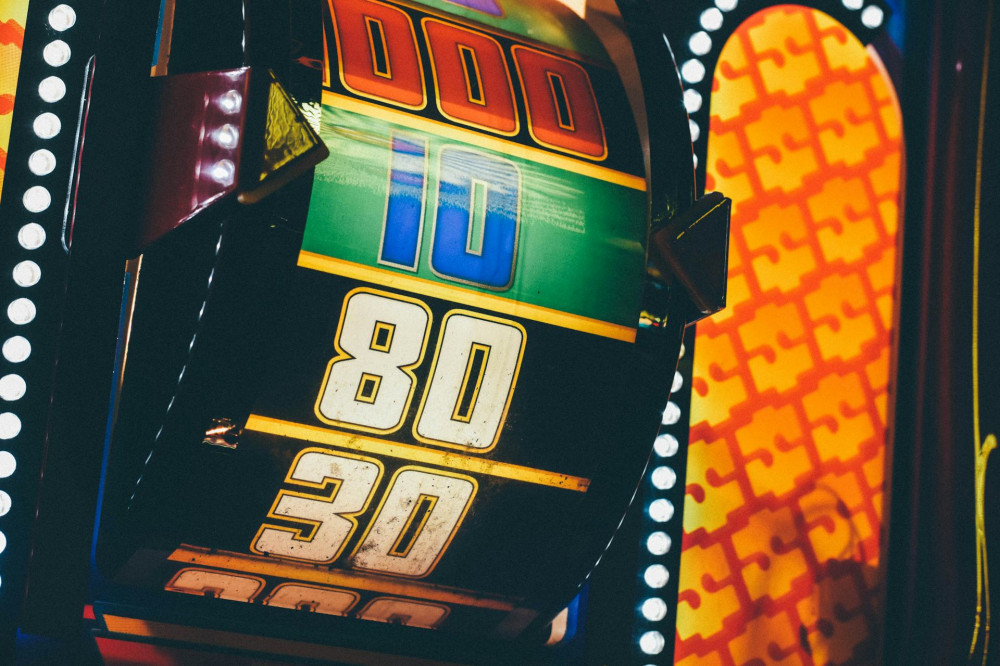
In games of chance, like slot machines or fantasy sports, this anticipation becomes especially powerful. Each near-win or close call triggers a rise in dopamine, keeping us engaged and eager for the next round. It’s this mechanism that makes games and competitions so captivating, even when the rewards are small.
The Power of Unpredictability
Research shows that the brain responds most strongly to rewards that are unexpected. When we don’t know if—or when—we’ll win, the reward system becomes even more sensitive. This is known as “variable reinforcement,” and it’s one reason why gambling, video games, and even social media can be so habit-forming.
Think about checking your phone for notifications: sometimes there’s a new message or a “like,” sometimes not. That unpredictability keeps us coming back. The brain loves surprises—especially the pleasant kind.
The Body Joins In
Winning doesn’t just light up the brain; it also triggers physical changes throughout the body. Heart rate and blood pressure rise, adrenaline surges, and endorphins—our natural painkillers—are released. Together, these chemicals create a sense of energy and euphoria that many describe as a “high.” For some, the feeling fades quickly; for others, it lingers, fueling motivation and confidence.
This cocktail of dopamine, adrenaline, and endorphins is what makes victory feel so exhilarating, whether it’s in sports, games, or personal achievements.
When the Reward Becomes a Habit
While the brain’s reward system is essential for motivation, it can also lead to unhealthy patterns if overstimulated. When the brain gets used to frequent dopamine bursts, it may start to crave more to achieve the same level of satisfaction. This is one reason some people develop gambling or gaming addictions.
Being aware of how your brain responds to rewards can help you keep things in balance. Enjoying the thrill of competition is natural—but it’s important to stay mindful and not let the chase for that “winning feeling” take over.
Turning Rewards Into Healthy Motivation
Fortunately, the brain’s reward system isn’t limited to games or luck. It also activates when we reach goals we’ve worked hard for—completing a project, mastering a new skill, or improving our fitness. In these cases, dopamine becomes a healthy motivator, encouraging us to keep learning and growing.
By understanding how the reward system works, we can use it to our advantage: setting realistic goals, celebrating small victories, and finding joy in progress—not just in the final win.
Læs også:

Why It Feels So Good
Winning feels so good because it taps into some of the brain’s most fundamental mechanisms. Dopamine, adrenaline, and endorphins work together to create feelings of joy, energy, and satisfaction. It’s nature’s way of telling us that we’ve done something right—and that it’s worth striving for again.
So the next time you feel that rush of excitement after a win, remember: it’s not just luck or coincidence. It’s your brain rewarding you, reminding you how deeply connected our emotions, biology, and experiences truly are.
Læs også: