Classic Bingo Hall: Atmosphere, Rhythm, and Traditions

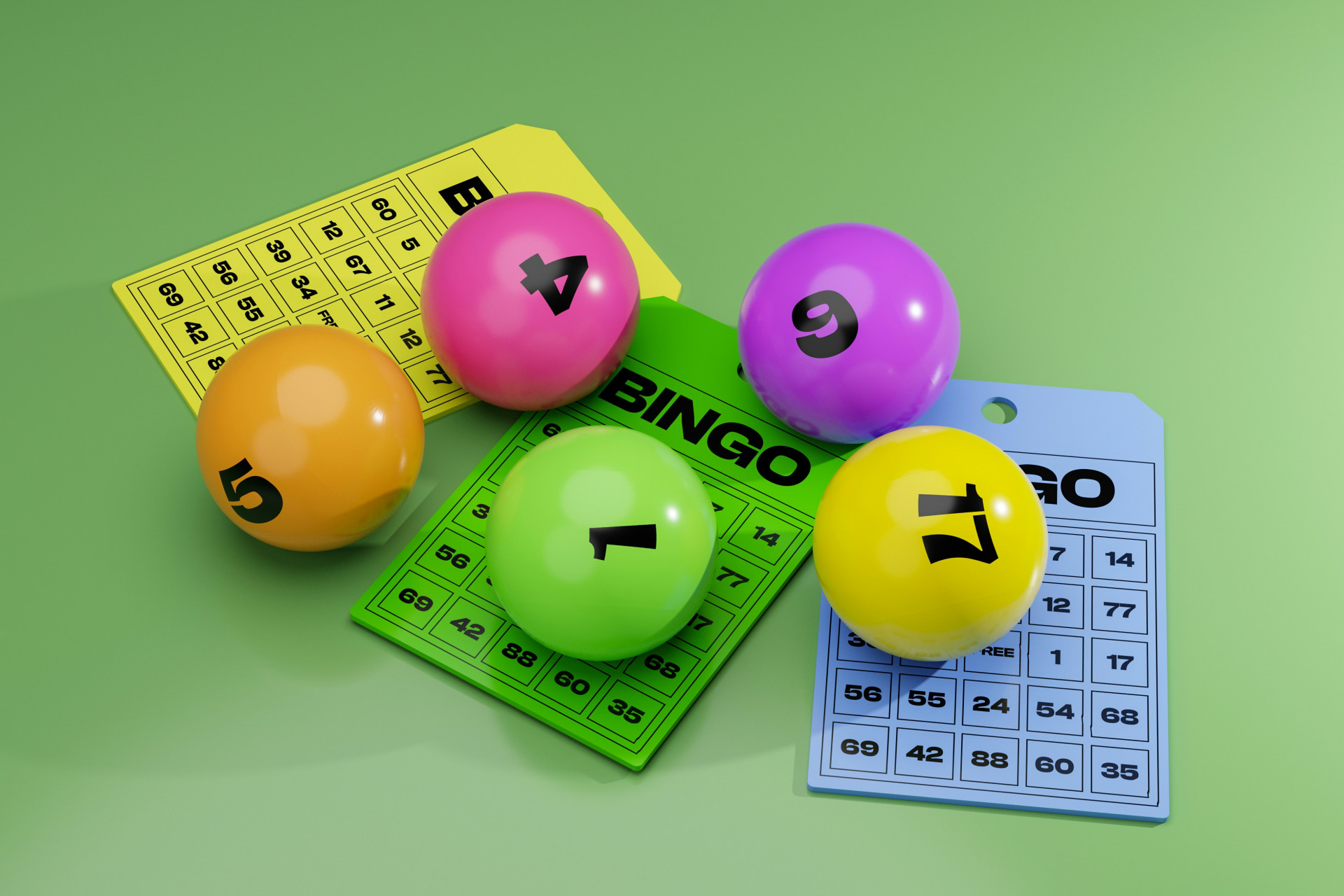
Classic Bingo Hall: Atmosphere, Rhythm, and Traditions
There are few places where time and community blend quite like in a classic American bingo hall. Here, generations meet, routines unfold, and small rituals take shape in an atmosphere that is both relaxed and charged with anticipation. For many, the bingo hall is more than a place to play—it’s a social hub, a weekly ritual, and a space where tradition and togetherness thrive.
A World of Anticipation and Familiar Comfort
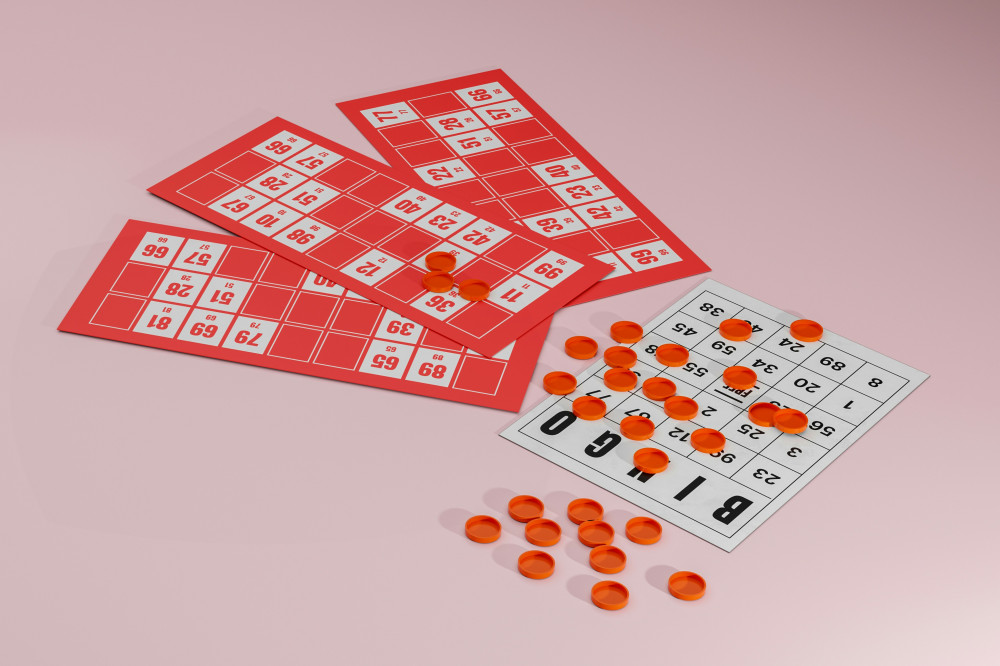
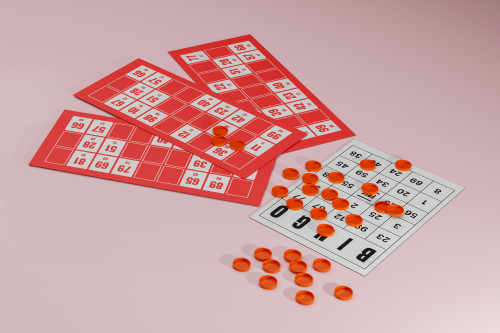
When the doors open and players take their seats, a quiet buzz fills the room. There’s the scent of coffee and popcorn, the scrape of chairs, and the soft murmur of greetings exchanged among familiar faces. On the tables lie bingo cards, daubers, and lucky charms—each a small piece of personal superstition built up over years of play.
As the caller begins, the mood shifts. Each number drawn brings a ripple of excitement, and the room alternates between focused silence and bursts of laughter or groans. The rhythm of the game—steady, predictable, and yet full of suspense—creates a sense of calm familiarity. It’s a rhythm that regulars know by heart, one that marks the passage of the evening like a heartbeat.
The Heart of Community
The bingo hall is a gathering place that cuts across age, background, and story. Many players have “their” tables and “their” partners, and friendships often stretch back decades. For some, bingo night is the highlight of the week—a chance to get out, catch up, and share a few hours of lighthearted competition.
There’s an unspoken etiquette: respect for the caller, quiet during the draw, and good-natured chatter during breaks. Between games, conversations drift from family updates to local news to who won the big jackpot last month. In these moments, the hall becomes more than a gaming venue—it becomes a living room for the community, a place where people stay connected.
Læs også:

Traditions Passed Down
Even in an age of online bingo and mobile apps, the classic hall retains its special charm. Many players recall coming with parents or grandparents, learning the game at their side, and carrying on the tradition. It’s not just about winning—it’s about belonging, about being part of something that has endured for generations.
Across the country, halls celebrate holidays with themed events: Christmas bingo with cookies and cocoa, Halloween nights with costume contests, or summer fundraisers with barbecue and live music. These gatherings keep the spirit alive and create memories that stretch far beyond the game itself.
The Steady Rhythm of the Game
Bingo’s rhythm is simple but mesmerizing. Numbers are called in a steady cadence, and players mark their cards in a focused flow. For many, that rhythm is soothing—a brief escape from the noise of everyday life. It’s a game that demands attention but also offers a kind of peace, a moment where everything else fades away.
When someone finally calls out “Bingo!”, the room erupts in applause and smiles. It’s a shared moment of joy, even for those who didn’t win. Because in the bingo hall, the real prize is the sense of connection that fills the room.
A Tradition in Motion
While some halls have modernized with electronic cards and digital displays, others hold fast to the tactile charm of paper sheets and hand-marked numbers. Whether high-tech or old-school, they share the same goal: to preserve the warmth, rhythm, and camaraderie that define the bingo experience.
The classic bingo hall remains a living piece of American culture—a place where tradition meets community, and where every game, every number, and every shout of “Bingo!” keeps the spirit alive, one card at a time.
Læs også: