From Community Halls to Online Trend: Bingo’s Modern Image Makeover

From Community Halls to Online Trend: Bingo’s Modern Image Makeover
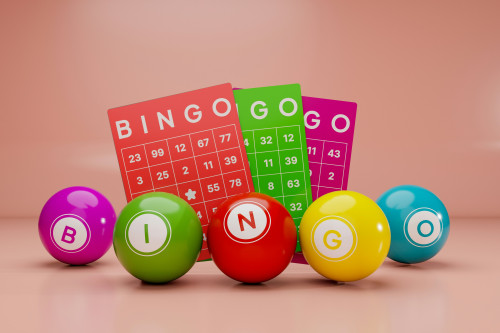
Once associated with church basements, community centers, and retirees sipping coffee over paper cards, bingo has undergone a remarkable transformation. What was once a social pastime for older generations has evolved into a digital entertainment trend that attracts players of all ages. From mobile apps to live-streamed events, bingo has found new life online—and in doing so, it’s redefining what community means in the digital age.
From Paper Cards to Pixels
Bingo’s roots in the United States stretch back to the early 20th century, when it became a staple of local fundraisers and social gatherings. The game’s simple rules and communal atmosphere made it a favorite across small towns and big cities alike. But as traditional community spaces declined and new forms of entertainment emerged, bingo’s popularity began to fade.
That changed with the rise of the internet. In the early 2000s, online bingo platforms began to appear, offering players the chance to join games anytime, anywhere. The digital format preserved the thrill of waiting for that final number to be called—while adding the convenience and accessibility of modern technology.
Læs også:


The Social Spirit Lives On—Just Online
Even in its digital form, bingo has managed to keep its social heart beating. Online bingo rooms often include chat features where players can talk, share reactions, and celebrate wins together. The sense of camaraderie that once filled community halls now thrives in virtual spaces, connecting players across states and even continents.
Social media has also played a major role in bingo’s revival. On platforms like TikTok, Twitch, and Instagram Live, hosts stream interactive bingo sessions that blend humor, performance, and audience participation. These events are less about gambling and more about shared experience—nostalgia meeting the energy of online culture.
Younger Players, New Formats
One of the most striking shifts in bingo’s modern evolution is who’s playing it. Once seen as a pastime for grandparents, bingo is now being embraced by younger audiences looking for lighthearted, social entertainment. Bars and event venues across the U.S. have introduced creative twists like “music bingo,” “drag bingo,” and “trivia bingo,” where pop culture, comedy, and performance art meet the classic game.
These reimagined formats have made bingo cool again—turning it into a night-out activity that bridges generations and brings people together in unexpected ways.
Technology and Accessibility Drive the Trend
Advances in technology have made bingo more accessible than ever. Mobile apps, live-streaming platforms, and virtual bingo halls allow players to join games around the clock. Many platforms incorporate gamification elements—points, badges, and rewards—that make the experience more engaging and competitive.
For many players, online bingo isn’t just about winning money. It’s about relaxation, connection, and a sense of belonging. In a time when digital interaction often replaces face-to-face contact, bingo offers a rare blend of entertainment and community spirit.
From Niche to Mainstream
Bingo’s journey from community halls to online trend shows how traditional games can reinvent themselves for new generations. What was once a cozy pastime for retirees has become a vibrant part of modern digital culture—where nostalgia meets innovation, and community finds new forms of expression.
Bingo hasn’t lost its soul; it’s simply found a new stage. And that may be the secret to its enduring appeal—proof that even in a fast-changing world, some traditions can thrive by adapting to the times.
Læs også: