Probability in the Lottery Explained Simply – Understanding the Odds Behind the Numbers


Probability in the Lottery Explained Simply – Understanding the Odds Behind the Numbers
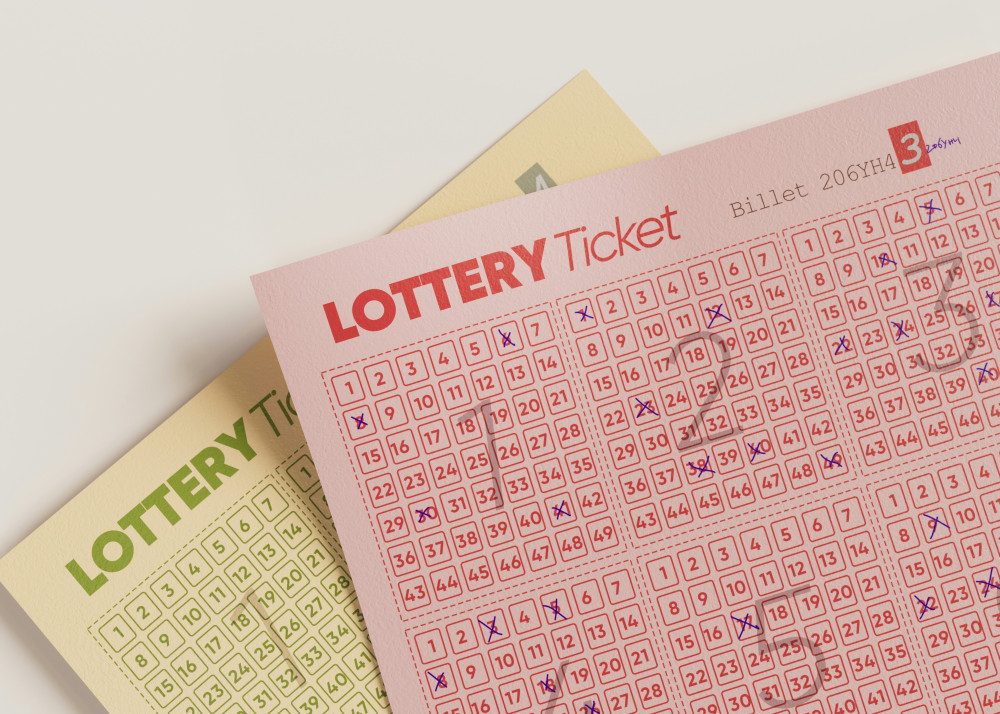
Every week, millions of Americans buy lottery tickets, dreaming of hitting the jackpot. A new house, early retirement, maybe a trip around the world – the possibilities seem endless. But how realistic is it to actually win? The odds are so small that they can be hard to grasp. Here’s a simple explanation of how lottery probabilities work and why winning the big prize is so incredibly rare.
How the Lottery Works
Let’s take the Powerball as an example, one of the most popular lotteries in the United States. To win the jackpot, you need to match all five white balls (drawn from numbers 1 to 69) plus the red Powerball (drawn from numbers 1 to 26).
That means there are over 292 million possible combinations. So, your chance of hitting the jackpot with a single ticket is 1 in 292,201,338.
To put that in perspective: if you bought one ticket every week, it would take you more than 5.6 million years on average to expect a jackpot win. That’s a long wait for a payday.
Why the Odds Are So Low
Lottery odds are based on combinations – the number of different ways the numbers can be drawn. The more possible combinations, the smaller your chance of picking the exact winning set.
Think of it like pulling one specific card from a deck, except instead of 52 cards, there are hundreds of millions of possible “cards.” That’s why no amount of strategy or pattern-picking can improve your odds. Every ticket has exactly the same chance of winning, whether you choose birthdays, random numbers, or let the machine pick for you.
Smaller Prizes – Better Chances
While the jackpot odds are astronomical, there are smaller prizes with much better chances. In Powerball, for example, you can win by matching just the Powerball number or a few of the white balls.
- Matching only the Powerball gives you a 1 in 38 chance.
- Matching three white balls and the Powerball gives you about a 1 in 14,000 chance.
- Matching all five white balls (but not the Powerball) gives you a 1 in 11.7 million chance.
So, while the top prize is nearly impossible to win, smaller prizes are much more common – though, of course, the payouts are smaller too.
Læs også:
What This Means for You as a Player
Understanding probability doesn’t mean you shouldn’t play – but it helps you play with realistic expectations. The lottery is entertainment, not an investment plan.
If you play for fun and only spend what you can afford to lose, it can be an enjoyable little thrill. But it’s important to remember that the game is designed so that the odds of losing are vastly higher than the odds of winning.
A good mindset is to see your ticket as a tiny price for a big dream – not as a financial strategy.
Putting the Odds in Perspective
To really understand how unlikely a jackpot win is, it helps to compare it to other rare events:
- You’re about 250 times more likely to be struck by lightning in your lifetime than to win the Powerball jackpot.
- You’re far more likely to become a movie star or be elected to Congress.
- Even finding a four-leaf clover is thousands of times more probable than hitting all the right numbers.
These comparisons show just how extreme lottery odds really are.
The Lottery as a Dream – Not a Plan
The lottery taps into our imagination and hope. It’s a small investment in a big dream – and for many, that’s what makes it fun. But when you understand the math behind it, it becomes clear that it’s not probability that drives the game, but the dream that maybe it could happen.
So next time you buy a ticket, do it with a smile and a sense of perspective: you’re not buying a guaranteed fortune – you’re buying a few moments of excitement, a spark of hope, and the joy of imagining “what if.”
Læs også: