From Paper to App: How Technology Is Shaping the Lottery Experience

From Paper to App: How Technology Is Shaping the Lottery Experience
From paper tickets sold at corner stores to sleek mobile apps that fit in your pocket, the lottery has undergone a remarkable transformation. Technology hasn’t just changed how Americans play—it’s reshaped the entire experience. Where players once stood in line to buy a ticket and waited for the evening drawing on TV, they can now play, check results, and even receive winnings directly through an app. But what does this shift mean for our relationship with the game—and for the excitement that has always surrounded the lottery?
From Paper Slips to Push Notifications
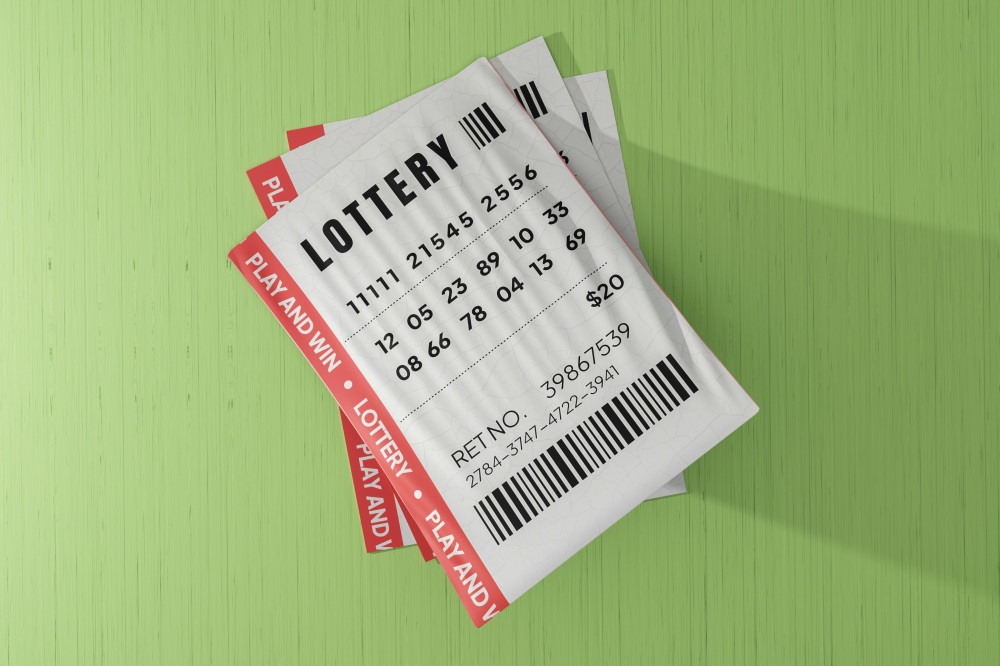
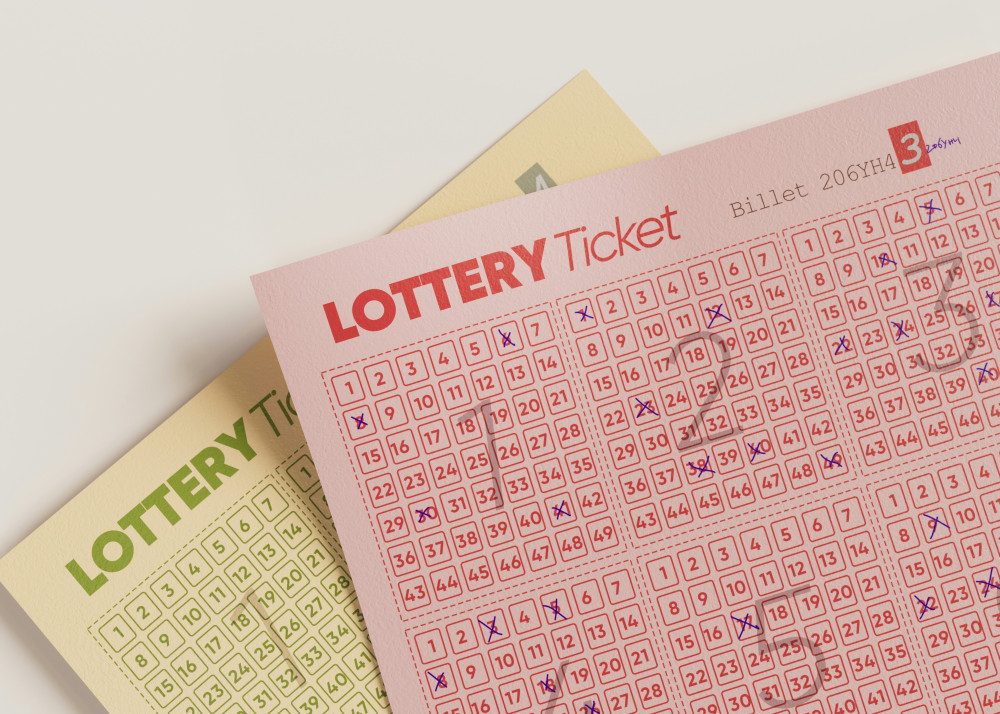
For decades, the lottery was a tangible ritual. You picked your numbers, filled out a paper slip, and tucked it away until the drawing. That physical act carried a sense of anticipation and tradition—part of the charm of playing.
Digitalization has made the process far more convenient. Today, players can buy tickets online or through official state lottery apps, where everything happens automatically: numbers are stored digitally, results are updated instantly, and winners are notified right away. The convenience is undeniable, but the experience has also become more impersonal. The tactile thrill of holding a ticket and waiting for the draw has, for many, faded into the background of everyday digital life.
Læs også:




Accessibility and Responsibility
Technology has made the lottery more accessible than ever. With just a few taps, players can join a drawing from anywhere—no need to rush to a store before closing time. This flexibility fits neatly into the fast-paced rhythm of modern life.
However, greater accessibility also raises questions about responsible play. When the lottery is always within reach, it can be harder to keep track of spending or frequency. In response, many state lotteries have introduced tools like spending limits, self-exclusion options, and reminders to help players stay in control. These features reflect a growing awareness that convenience must be balanced with responsibility.
From Shared Moments to Digital Communities
The lottery once had a strong social element. Office pools, family traditions, and televised drawings brought people together in shared anticipation. In the digital era, the experience has become more individual—players often check results alone on their phones.
Yet technology has also created new forms of community. Online groups, social media discussions, and digital pool features allow players to share the experience in new ways. Some apps even let friends form virtual syndicates, splitting tickets and winnings automatically. The sense of connection remains—it’s just moved online.
Data, Personalization, and New Game Formats
The shift to digital platforms has given lottery operators access to valuable data about player behavior. This information allows for more personalized experiences, such as tailored promotions, reminders, and game recommendations. At the same time, technology has paved the way for innovative formats that blend traditional draws with interactive features, instant-win games, and gamified experiences.
For some, these innovations make the lottery more engaging and dynamic. For others, they represent a departure from the slow-building suspense that once defined the game. Either way, the line between lottery and entertainment is becoming increasingly blurred.
The Future of the Lottery: Balancing Tradition and Innovation
Despite all the technological change, the heart of the lottery remains the same: the dream of winning. That hope continues to drive players, whether their ticket is printed on paper or stored in the cloud.
Looking ahead, emerging technologies like artificial intelligence, blockchain, and augmented reality could further transform how Americans play. The challenge will be to preserve the human side of the experience—the anticipation, the shared excitement, and the simple joy of imagining what might be—while embracing the innovations that make the lottery more accessible and engaging than ever before.
Læs også: