Digital Tickets: How the Shift from Paper to Online Has Changed Players’ Experience

Digital Tickets: How the Shift from Paper to Online Has Changed Players’ Experience
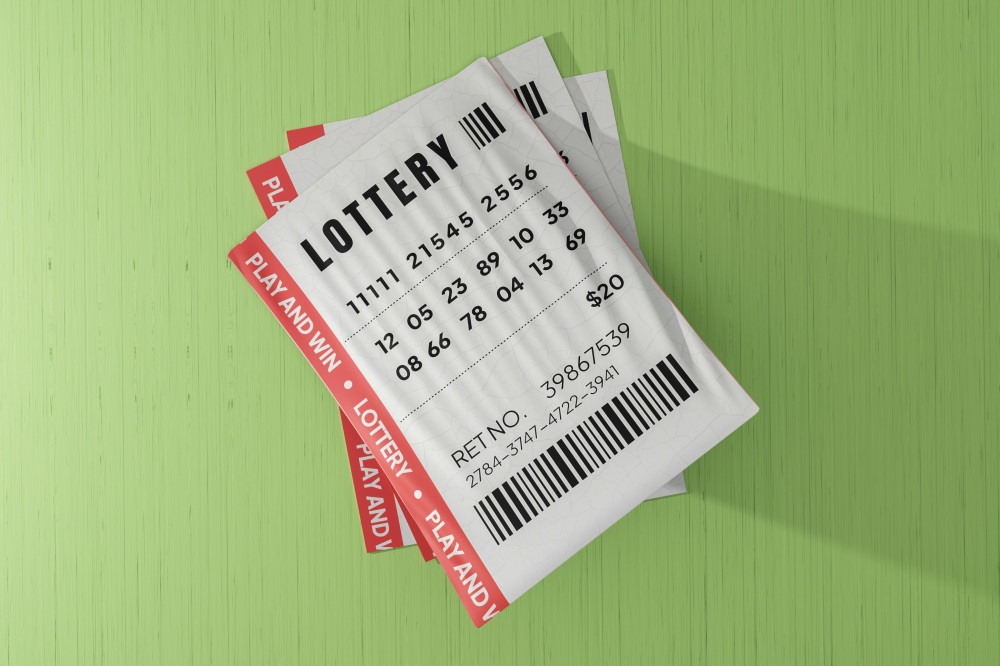
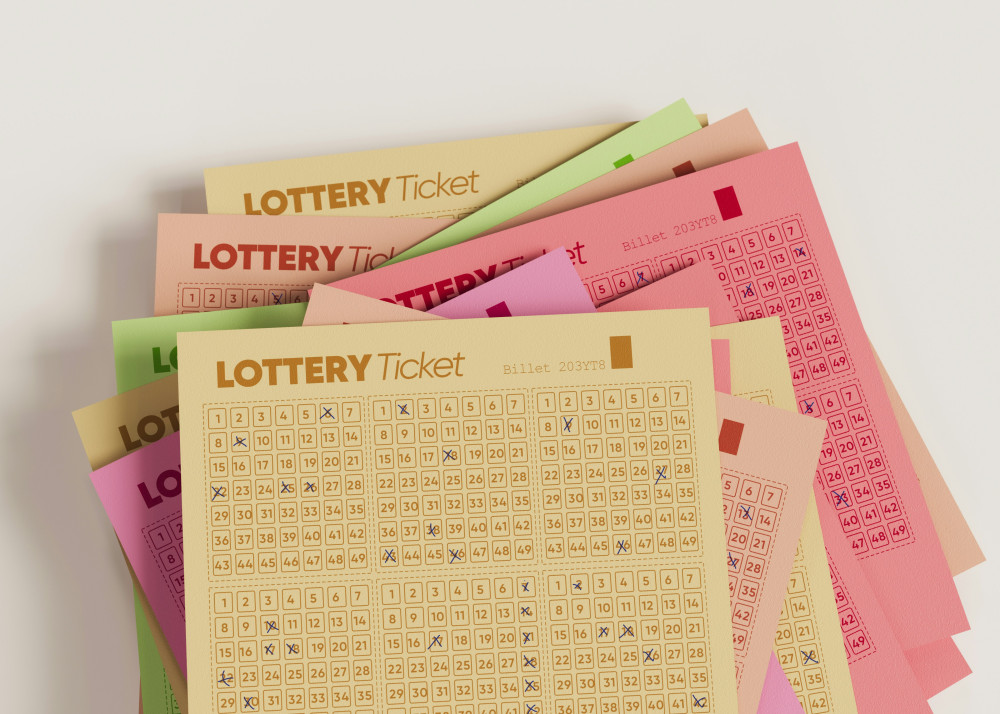
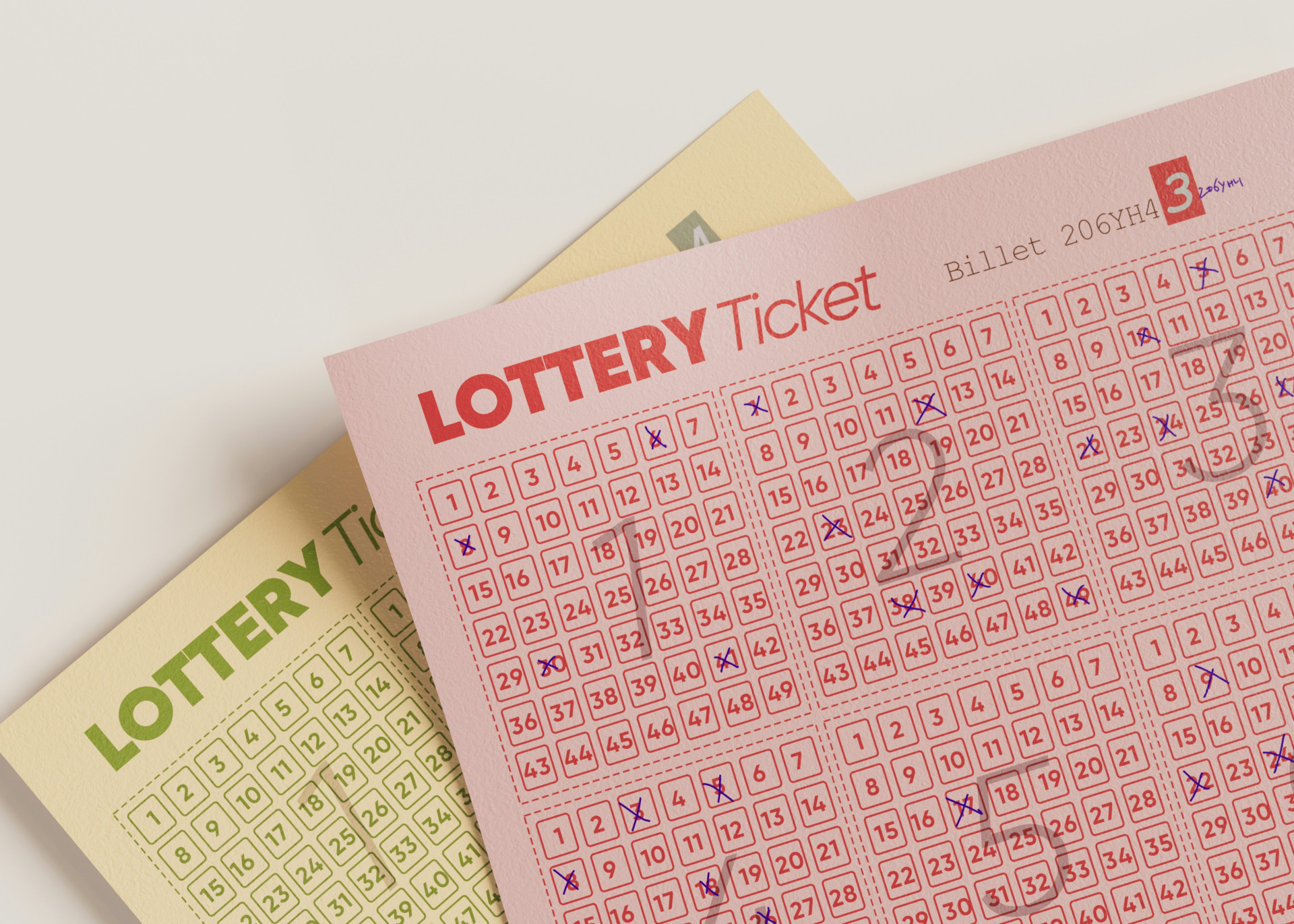
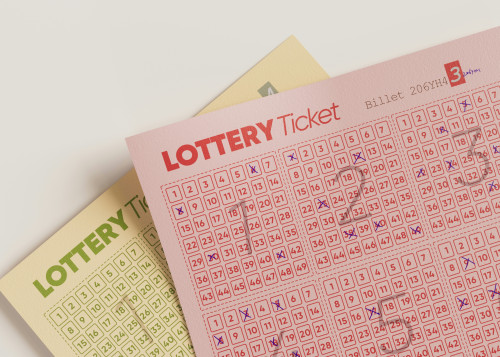
For decades, buying a paper lottery ticket at the corner store was a small but cherished ritual for many Americans. You’d pick your numbers, hold onto the ticket, and wait for the drawing with a mix of hope and anticipation. But as nearly every aspect of daily life has moved online, so too has the lottery. Today, more and more players are buying digital tickets through apps and websites—a shift that has transformed not only how people play, but also how they experience the game itself.
From the Convenience Store to the Smartphone
The move from paper to digital tickets has made participation easier than ever. Instead of remembering to stop by a store before the cutoff time, players can now buy tickets with just a few taps on their phone—anytime, anywhere. This convenience has made playing more spontaneous and accessible, but it has also changed the ritual that once surrounded the experience.
For some, the trip to the store, the friendly chat with the cashier, and the feel of the paper ticket were part of the fun. Now, the process is faster and more efficient, but also more impersonal. On the other hand, digital platforms offer new advantages: players can track results instantly, receive notifications about upcoming drawings, and view their entire play history in one place.
More Control and Transparency
One of the biggest benefits of digital tickets is the level of control they offer. Players can log in to see exactly which tickets they’ve purchased, when the next drawing takes place, and whether they’ve won. Gone are the days of losing a winning ticket in a drawer or forgetting to check the numbers.
Digital platforms have also made it easier to promote responsible gaming. Many state lotteries now include tools that allow players to set spending limits, take breaks, or self-exclude if needed. This kind of built-in accountability simply wasn’t possible in the paper era, and it reflects a broader shift toward safer, more transparent gaming experiences.
The Social Side of Playing
Paper tickets often carried a social element. Office pools, family traditions, and community fundraisers all revolved around buying and sharing tickets together. Online play can feel more individual, but it has also created new kinds of social connections.
Players now share their experiences on social media, celebrate wins together online, and even join digital pools through official lottery apps. These virtual communities may lack the face-to-face camaraderie of the old days, but they still capture the shared excitement of chasing a big win.
Trust and Security in the Digital Age
When digital tickets first appeared, many players were skeptical. Could you really trust that your ticket was valid? Would your winnings be paid out correctly? Over time, confidence has grown as lottery operators have prioritized security and transparency.
Digital tickets are automatically registered to a player’s account, and winnings are deposited directly into verified bank accounts. That means no more lost tickets or unclaimed prizes. The process is more secure and reliable, though some players miss the tangible thrill of holding a potential winner in their hands.
A New Kind of Excitement
While the tactile pleasure of scratching a ticket or unfolding a paper slip is gone, digital play has introduced new forms of excitement. Interactive animations, sound effects, and instant results make the experience more dynamic and fast-paced. For many, that immediacy heightens the thrill.
Yet for others, the speed of digital play removes some of the suspense that made the traditional lottery so special. The slow build-up—the waiting, the physical ticket, the shared anticipation—has been replaced by instant feedback. It’s a change that attracts new players but leaves some longtime fans nostalgic for the old ways.
Læs også:
The Future of Lottery Play
The digital transformation of lotteries is far from over. Emerging technologies like blockchain could make ticket ownership even more secure, while personalized apps and virtual games may blend entertainment with charitable giving or loyalty rewards. The lottery of the future may look very different—but the dream at its core remains the same.
Whether on paper or on a screen, the essence of the game hasn’t changed: the hope of winning, the thrill of possibility, and the simple joy of taking a chance. The format may have evolved, but the feeling of anticipation when the numbers are drawn is as powerful as ever.
Læs også: