European, American, or French? How the Odds Shape the Game


European, American, or French? How the Odds Shape the Game
Roulette is one of the most recognizable casino games in the world—a game where a single spin of the wheel can change everything. Yet, beneath its elegant simplicity lies a fascinating variety of versions that each shape the experience in their own way. The three most popular are European, American, and French roulette. The differences between them may seem minor, but they have a major impact on both the atmosphere at the table and your chances of winning.
European Roulette – Balance and Fair Odds
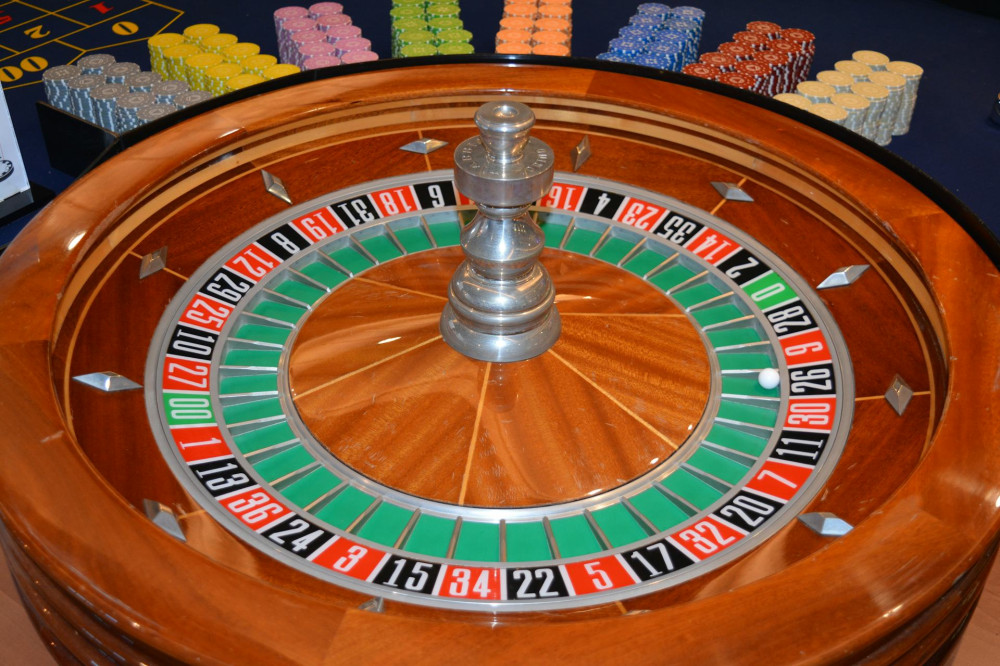
European roulette is the most common version found in casinos across Europe and in many online platforms available to U.S. players. The wheel has 37 pockets—numbers 1 through 36 plus a single zero. This setup gives the house an edge of about 2.7%, making it one of the fairest games on the casino floor.
The layout is straightforward, and the rules are easy to grasp, which makes it ideal for both beginners and experienced players. Many choose the European version because it strikes a balance between excitement and reasonable odds. It’s also the version most often seen in movies and associated with the classic image of roulette.
American Roulette – Double the Zeros, Double the Edge
In the United States, roulette evolved into its own distinct form. The American roulette wheel features 38 pockets—the same 36 numbers plus a single zero and a double zero (00). That extra pocket might not look like much, but it increases the house edge to about 5.26%. For players, that means lower odds of winning; for casinos, it means a higher profit margin.
American roulette tables often have a faster pace and a more energetic atmosphere. The game’s intensity appeals to players who enjoy quick action and the thrill of risk, even if the odds are less favorable. In Las Vegas or Atlantic City, the American version is the standard, and its lively tempo is part of what makes it so popular.
French Roulette – Tradition, Elegance, and Player-Friendly Rules
French roulette is the oldest of the three and is often considered the most refined. It closely resembles the European version, but it includes a few special rules that make it more advantageous for players.
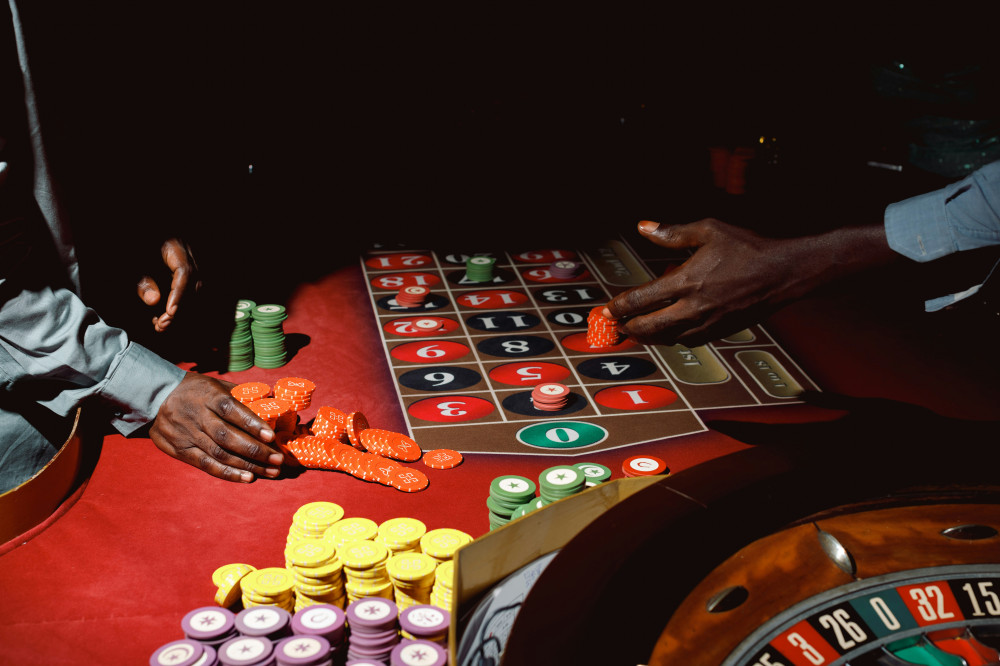
The key differences are the “La Partage” and “En Prison” rules. Both apply when the ball lands on zero and the player has made an even-money bet (like red/black or odd/even). With La Partage, you get half your bet back; with En Prison, your bet stays on the table for the next spin. These rules reduce the house edge to about 1.35%, the lowest of all roulette variants.
French roulette is typically played at a slower pace, and the use of French terms such as manque, passe, and impair adds a touch of old-world charm. It’s a version that appeals to players who appreciate tradition, elegance, and better odds.
Læs også:


How the Odds Shape the Experience
Although all three versions follow the same basic principle, the differences in odds and rules change the feel of the game. American roulette offers a faster, more high-stakes experience that attracts thrill-seekers. European roulette provides a balanced mix of excitement and fairness. French roulette, with its player-friendly rules, offers the best statistical advantage and a more relaxed, classic atmosphere.
Choosing a version isn’t just about math—it’s about the kind of experience you want. Some players love the energy of the American wheel, while others prefer the sophistication and improved odds of the French table.
Which Version Should You Play?
If you’re new to roulette, European roulette is a great place to start. It offers fair odds and a familiar layout. If you want to maximize your chances, French roulette is the best option—especially if you can find a casino that uses the traditional rules. And if you’re drawn to the fast-paced excitement of the casino floor, American roulette delivers that adrenaline rush—just remember that the house edge is higher.
Whichever version you choose, roulette remains a timeless blend of luck, style, and suspense. And it’s the subtle differences between these three versions that keep players spinning the wheel generation after generation.
Læs også: