American vs. European Roulette: Know the Difference in Terminology

American vs. European Roulette: Know the Difference in Terminology
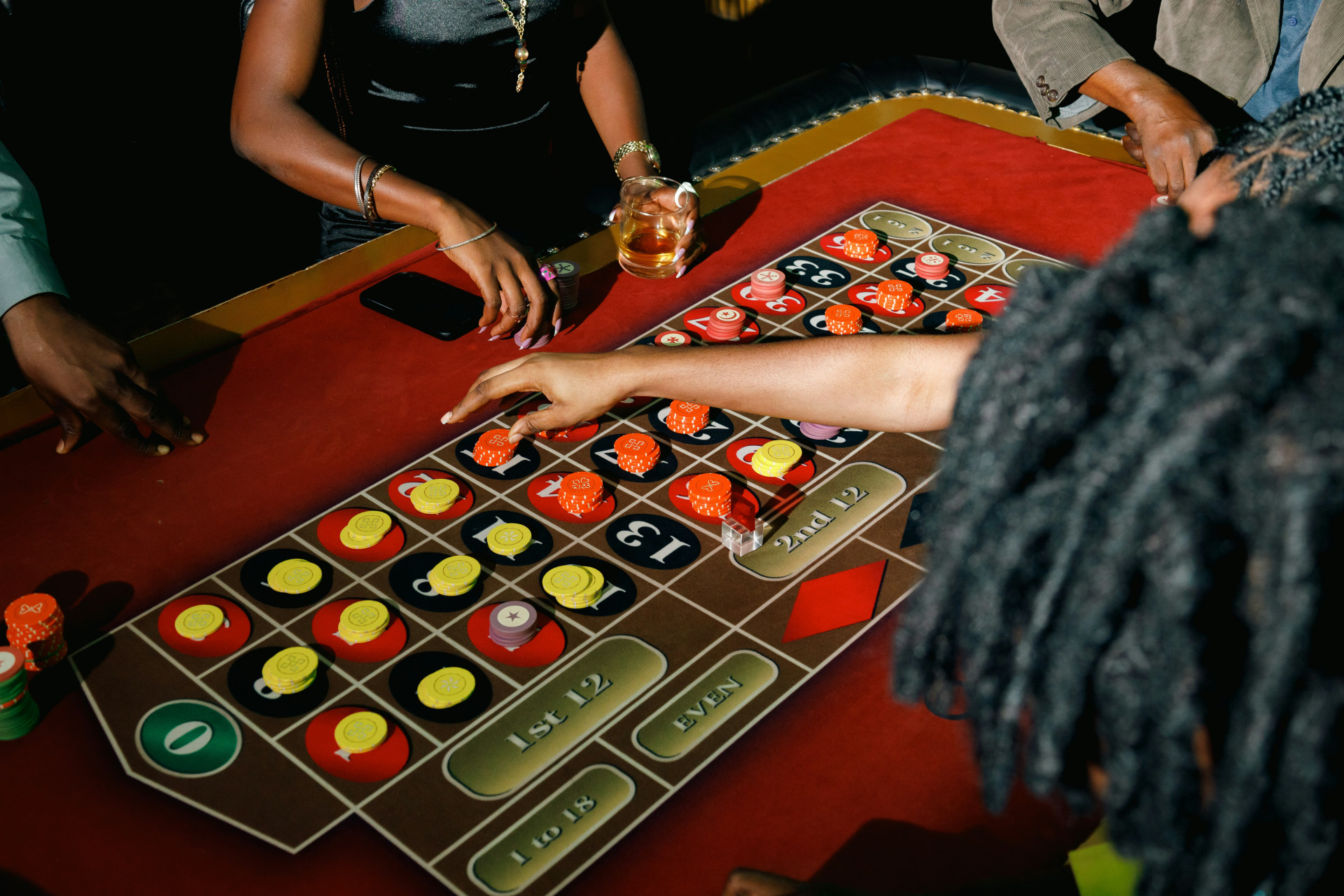
Roulette is one of the most recognizable casino games in the world—a blend of luck, excitement, and a touch of strategy. At first glance, the game looks the same everywhere, but there are two main versions: American and European. The difference isn’t just about the number of pockets on the wheel—it’s also about the terminology, which can be confusing for new players. Here’s a guide to how the language and structure differ, and why that matters for your gaming experience.
Two Wheels, Two Traditions
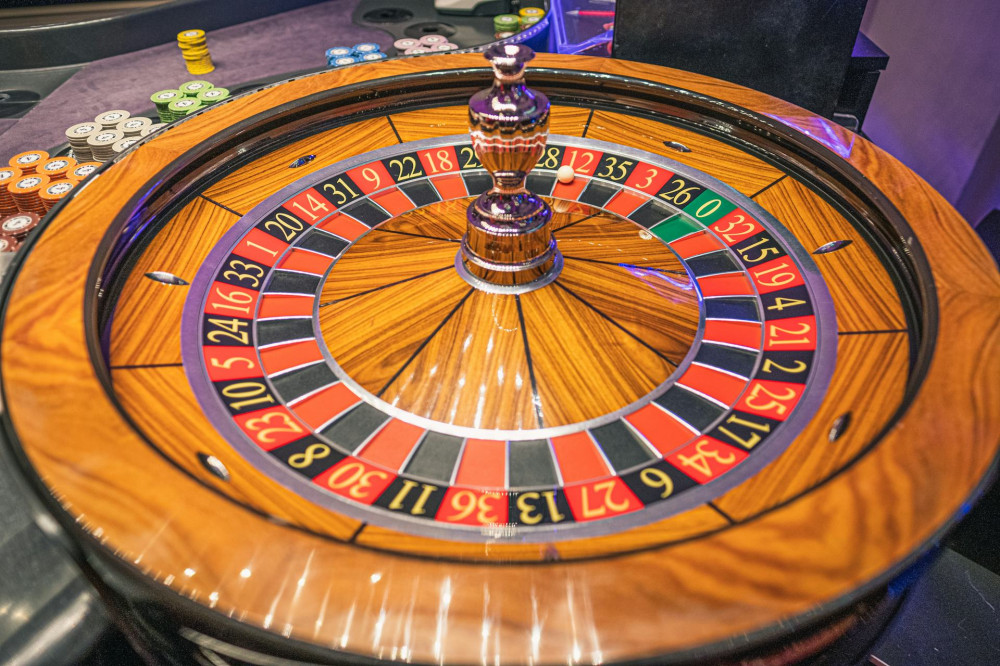
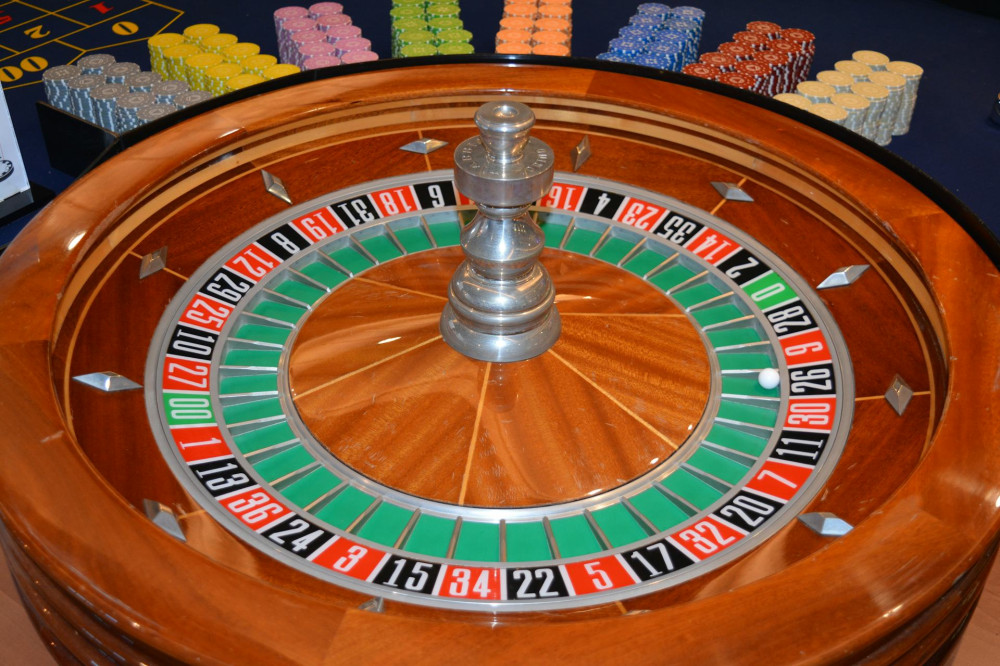
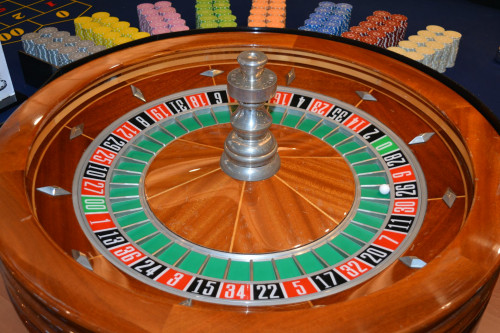
The most obvious difference between American and European roulette is the wheel itself. The European version has 37 pockets (numbers 0–36), while the American version has 38 (numbers 0–36 plus an extra “00”). That extra pocket doesn’t just change the odds—it also shaped how the game evolved and how it’s described in different parts of the world.
In Europe—especially in France, where roulette originated—many of the traditional French terms are still used in casinos. In the United States, the terminology was simplified and adapted for English-speaking players, creating a distinct vocabulary and slightly different approach to the game.
Læs også:

Terminology: From “En Plein” to “Straight Up”
European roulette retains many French expressions to describe the various types of bets:
- En plein – a bet on a single number.
- Cheval – a bet on two adjacent numbers.
- Transversale – a bet on three numbers in a row.
- Carré – a bet on four numbers forming a square.
- Douzaine and colonne – bets on one of the three dozens (1–12, 13–24, 25–36) or one of the three columns.
In American roulette, the same bets are described with straightforward English terms:
- Straight up – equivalent to “en plein.”
- Split – two adjacent numbers, like “cheval.”
- Street – three numbers in a row.
- Corner – four numbers forming a square.
- Dozen and column – same concept as in the European version.
The meaning is the same, but the tone is different. The French terminology gives the European version a sense of tradition and sophistication, while the American terms feel more direct and accessible.
Special Rules and Expressions
Beyond language, there are also rule variations that have led to different expressions and gameplay experiences.
In European roulette, you may encounter rules like “La Partage” and “En Prison,” which apply when the ball lands on 0. These rules give players a partial refund or a second chance, effectively lowering the house edge. In American roulette, these rules are rarely used—if the ball lands on 0 or 00, the bet is lost, which increases the house advantage.
The American version also includes a unique bet called the “Five Number Bet” (0, 00, 1, 2, 3), which doesn’t exist in European roulette. This bet carries a higher house edge and is generally considered one of the least favorable options for players.
Table Layout and Language Differences
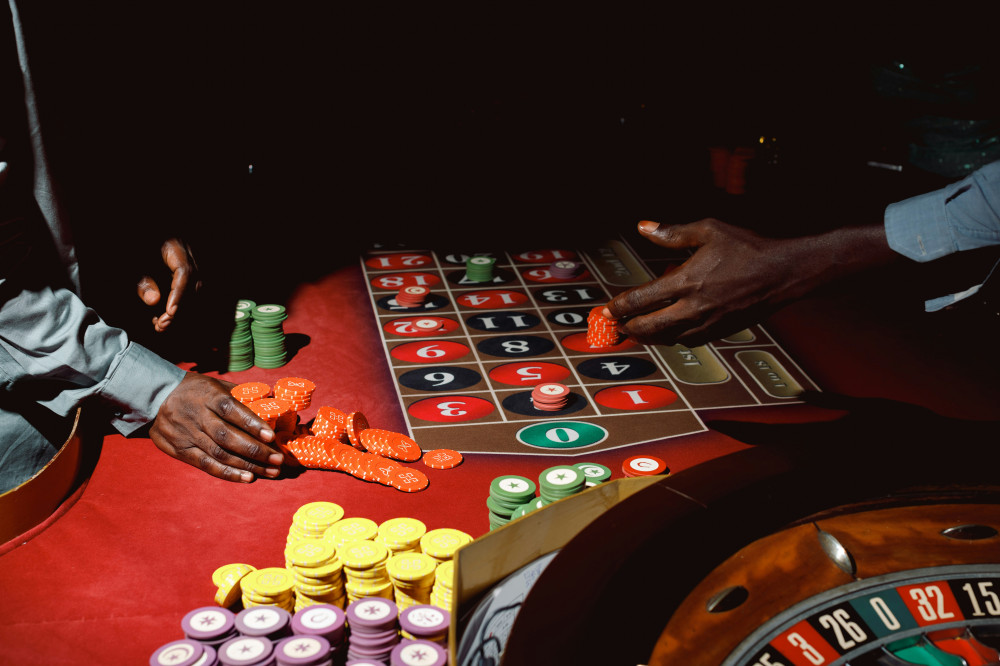
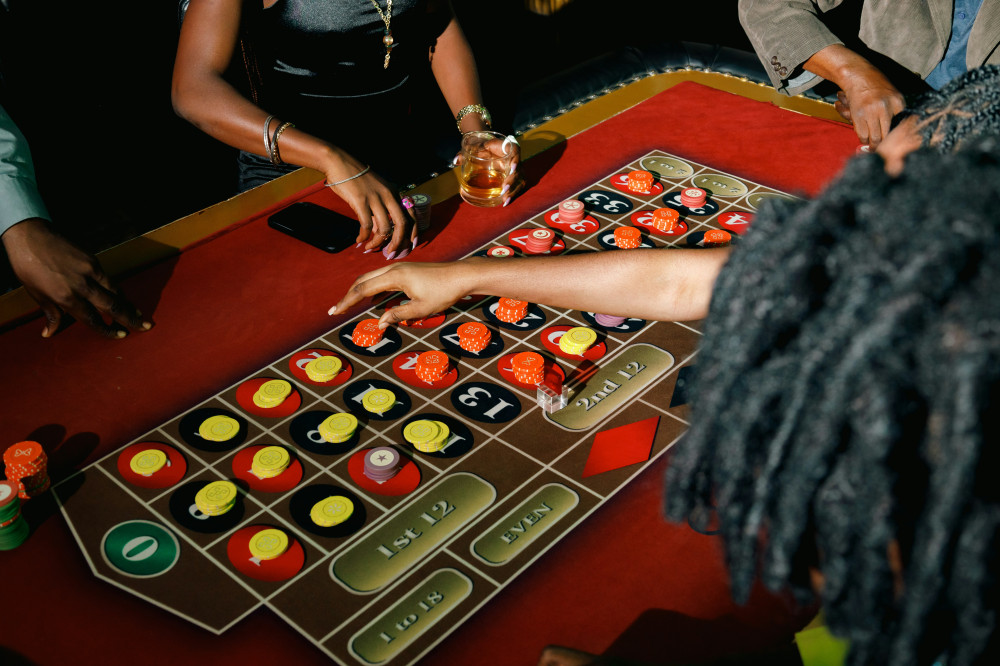
The table layout reflects these linguistic and cultural differences as well. On European tables, you might see French or bilingual labels such as pair/impair (even/odd) and manque/passe (low/high). On American tables, the labels are simply even/odd and low/high.
The person running the game is also referred to differently. In Europe, the term croupier is common, while in the United States, the same role is called a dealer. These small linguistic details highlight the cultural roots of each version.
What the Differences Mean for Players
For most players, the differences go beyond vocabulary—they affect the odds. European roulette has a house edge of about 2.7%, while American roulette’s is roughly 5.26%, mainly because of the extra “00” pocket. That’s why many experienced players prefer the European version when it’s available.
Still, terminology shapes the atmosphere. Knowing the French terms can make the game feel more elegant and traditional, while the American version’s plain English makes it approachable and easy to follow. Which one you prefer often comes down to personal taste and playing style.
One Game, Two Languages
Whether you’re spinning the wheel in Las Vegas or Monte Carlo, the thrill of roulette is universal—the anticipation as the ball bounces, the hope that it lands on your number. But behind that simple excitement lie two distinct traditions, each with its own language, history, and character.
Understanding the terminology doesn’t just make the game easier to follow—it also gives you a glimpse into how culture and language shape even the most timeless games of chance.
Læs også: