Colors and Numbers with History – The Symbolism Behind Roulette

Colors and Numbers with History – The Symbolism Behind Roulette
Roulette is one of the most recognizable games in the casino world – a symbol of elegance, excitement, and chance. Yet behind the spinning wheel and the alternating red and black pockets lies a fascinating story and a web of symbolism that reaches far beyond the gaming table. The colors, the numbers, and even the circular shape of the wheel all carry meanings rooted in mathematics, philosophy, and cultural history.
From Scientific Curiosity to Casino Classic
The origins of roulette trace back to 17th‑century France, where mathematician and physicist Blaise Pascal attempted to design a perpetual motion machine – a wheel that could spin endlessly without losing energy. While the invention itself failed, the concept inspired the first versions of the roulette wheel.
By the 18th century, roulette had become a fashionable pastime in French salons, combining the thrill of chance with the order of mathematics. The game’s balance between structure and unpredictability reflected an age fascinated by both science and fate.
When roulette crossed the Atlantic in the 19th century, it evolved into the American version we know today, featuring both a single and a double zero. This small change gave the house a greater edge – a reminder that in the world of gambling, the odds always lean slightly toward the house.
The Colors: Red, Black, and the Green Exception
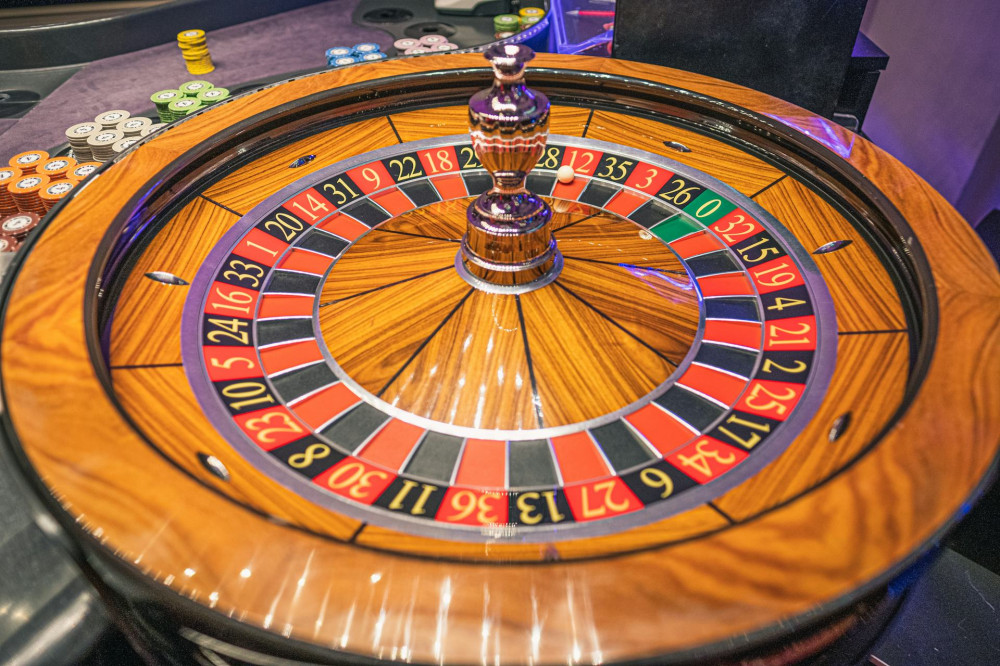
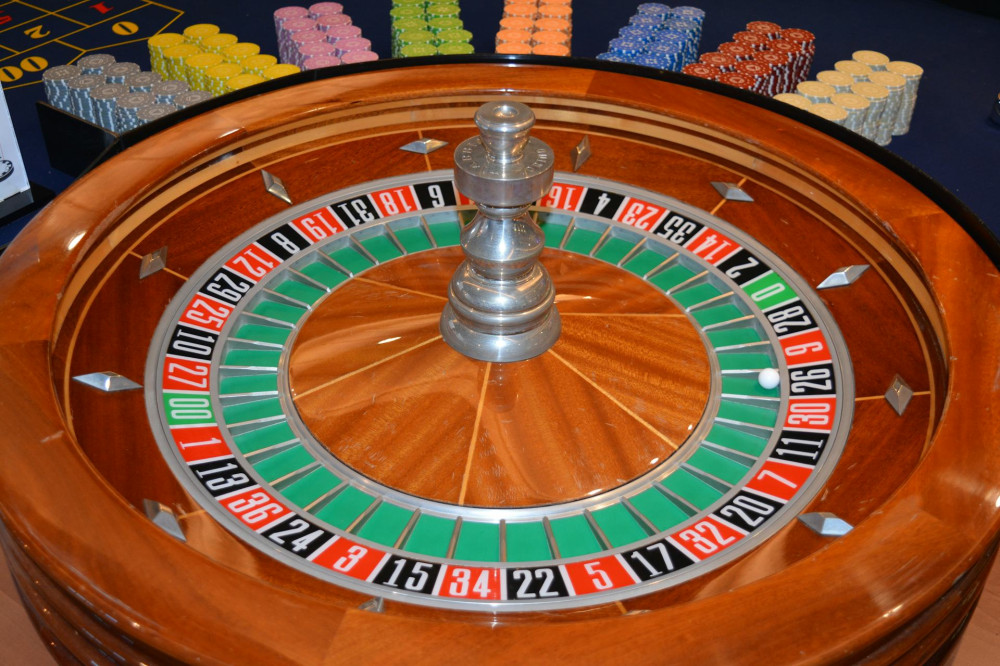
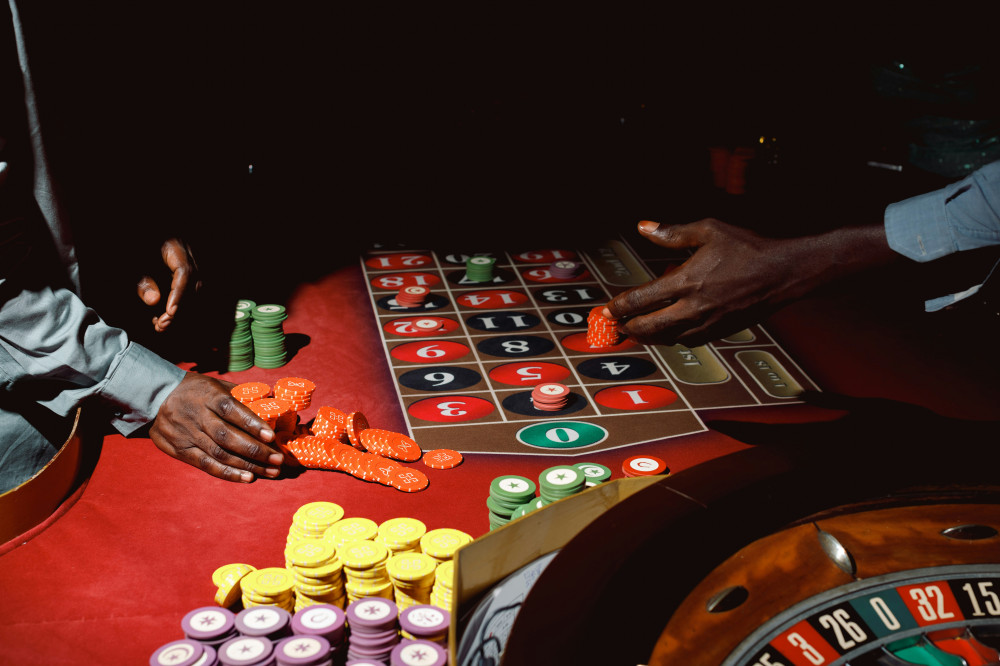
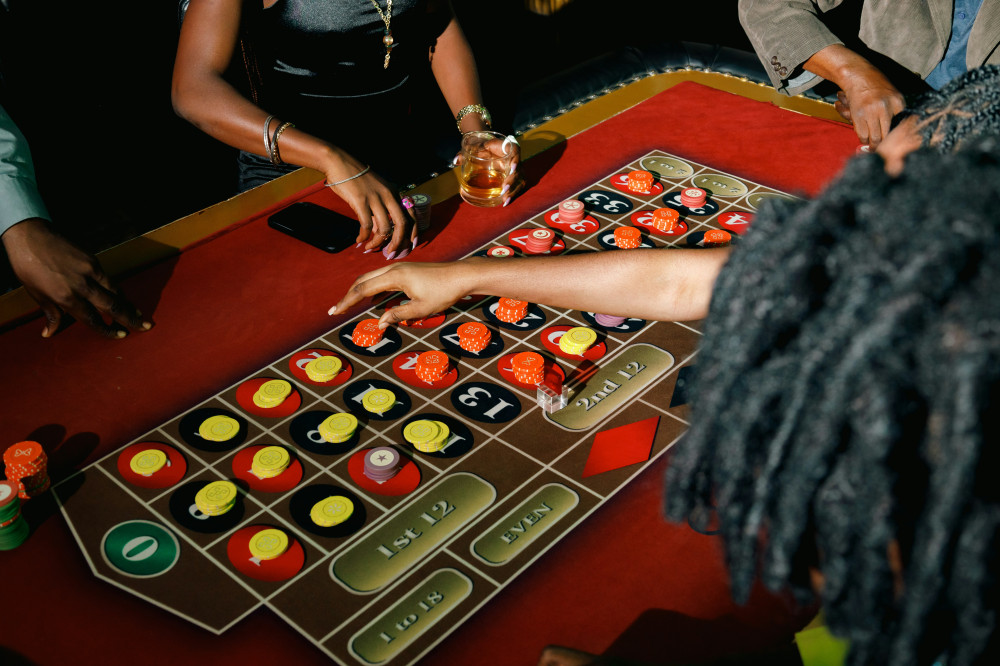
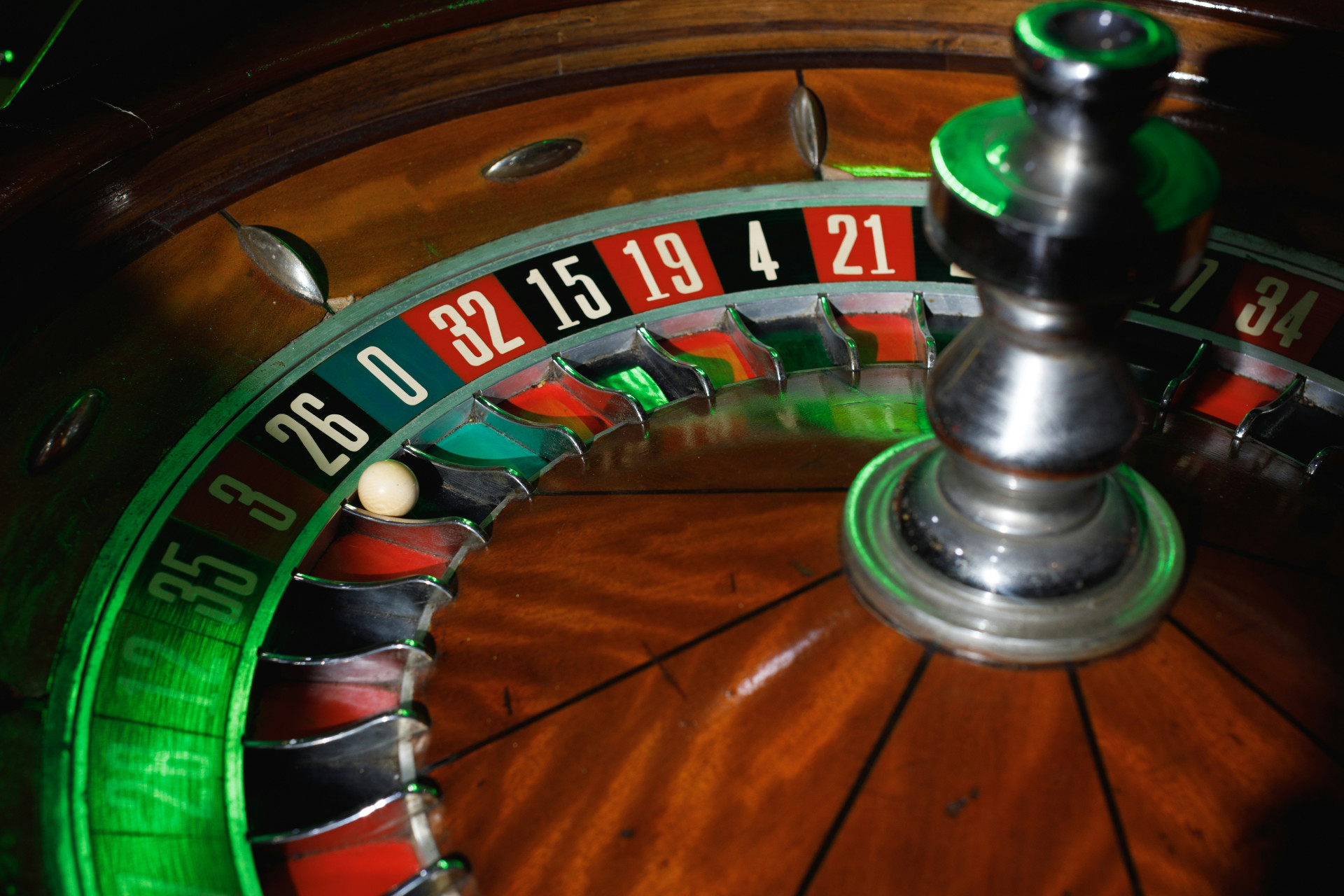
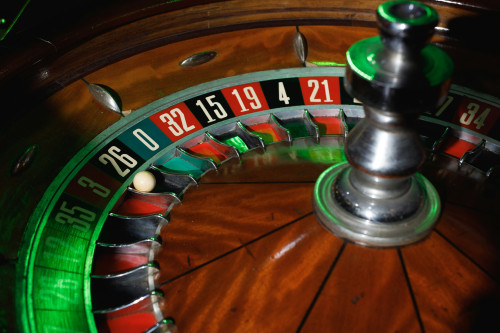
Roulette’s color scheme is more than just decoration. The alternating red and black pockets create visual rhythm and balance, making the game easy to follow and aesthetically pleasing. Over time, these colors have taken on symbolic meanings of their own:
- Red represents energy, passion, and boldness – the color of those who dare to take risks.
- Black stands for sophistication, control, and mystery – the calculated side of chance.
- Green, reserved for the zero (and double zero in American roulette), breaks the symmetry. It symbolizes the house’s advantage and serves as a subtle reminder that luck is never entirely neutral.
Together, these colors turn roulette into a visual drama – a dance between courage and caution, between hope and reality.
Læs også:
The Numbers and Their Hidden Patterns
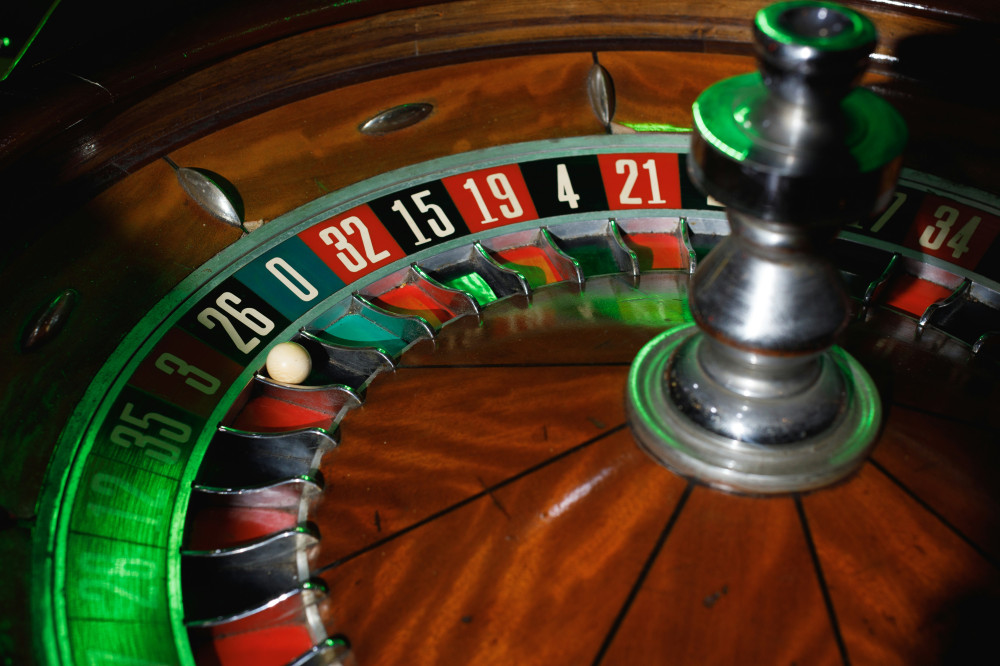
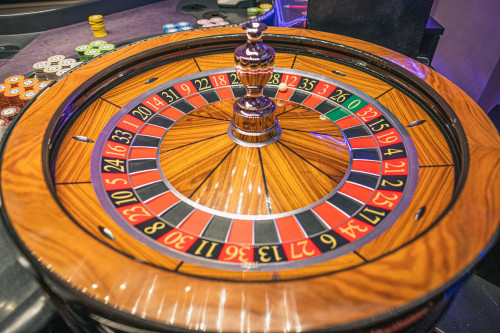
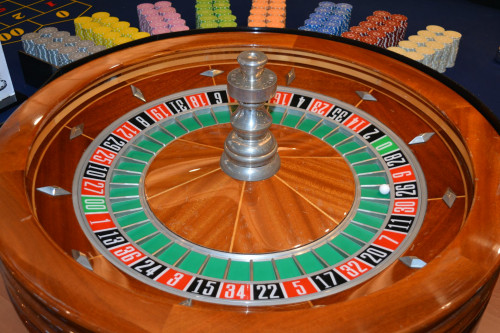
A roulette wheel contains 37 or 38 numbers, depending on whether it’s European or American. Though the sequence may appear random, it’s carefully arranged to balance high and low, odd and even numbers, ensuring that no section of the wheel favors a particular outcome.
Still, players have long attached personal and cultural meanings to certain numbers:
- 17 is often called the “James Bond number,” associated with glamour and good fortune.
- 0 represents the unpredictable – the point where logic gives way to chance.
- 13, traditionally unlucky, attracts those who like to challenge superstition.
Even the sum of all the numbers on the wheel – 666 – has sparked myths and speculation. For some, it’s a mere mathematical coincidence; for others, it adds a touch of mystique to a game already steeped in symbolism.
The Wheel as a Circle of Life
The roulette wheel is more than a gaming device – it’s a symbol of cyclical motion. The wheel spins, the ball is cast, and everything returns to its starting point. Across cultures, the circle has represented the rhythm of life: fortune and misfortune, gain and loss, all in constant rotation.
Writers and artists of the 19th and 20th centuries often used roulette as a metaphor for human existence – a place where reason meets fate, and where a single moment can change everything.
From Casino Floor to Cultural Icon
Today, roulette is not just a game but a cultural emblem. It appears in films, literature, and popular culture as a symbol of risk, elegance, and the allure of uncertainty. The spinning ball captures the eternal tension between control and chaos, between the dream of sudden wealth and the acceptance that nothing in life is ever fully predictable.
Roulette endures because it mirrors the human condition itself – a blend of logic and luck, of daring and destiny. In every spin lies a reflection of our own relationship with chance, choice, and the ever‑turning wheel of life.
Læs også: