The Thrill Before the Reward: Why Anticipation Feels So Good

The Thrill Before the Reward: Why Anticipation Feels So Good
There’s a special moment, right before the roulette wheel stops spinning or the lottery numbers are revealed, when time seems to slow down. Your heart beats faster, your mind races, and for a brief instant, everything feels charged with possibility. That’s anticipation — and it can be just as powerful as the reward itself. But why does waiting for something feel so good? The answer lies deep in the brain, where expectation and reward are closely intertwined.
The Brain Loves the Build-Up
When we look forward to something positive, our brain’s reward system kicks into gear. It releases dopamine — the neurotransmitter that fuels feelings of pleasure, motivation, and excitement. What’s fascinating is that dopamine doesn’t just surge when we get the reward; it starts flowing while we’re waiting for it.
Studies in neuroscience show that the brain’s reward circuits are often most active during the anticipation phase. In other words, the thrill of waiting can be more stimulating than the outcome itself. That’s why people often describe the experience of playing a game, planning a trip, or waiting for a big event as a journey — one where the excitement builds long before the destination is reached.
Læs også:
Uncertainty Makes It Exciting
A big part of anticipation’s magic comes from uncertainty. When we don’t know what’s going to happen, our brain becomes hyper-alert, trying to predict the outcome. That mental tension — the mix of hope and doubt — is what makes the experience so engaging.
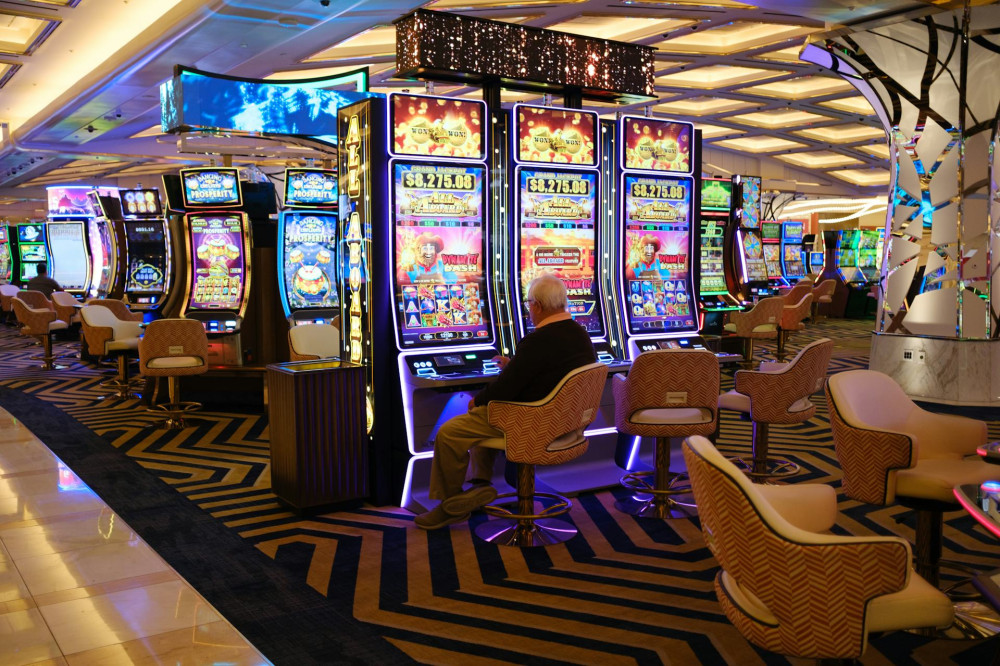
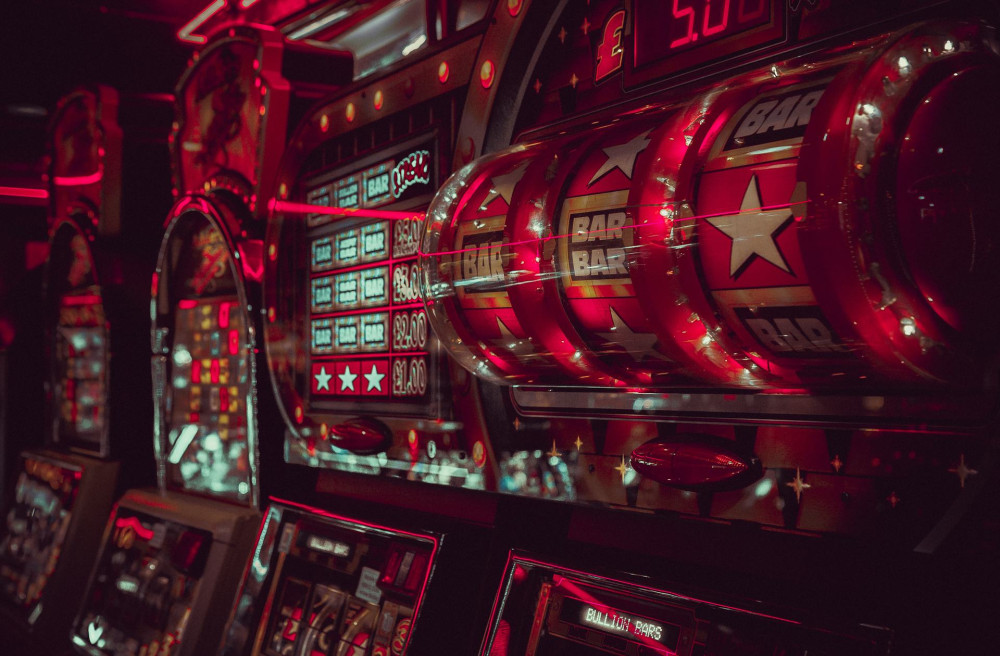
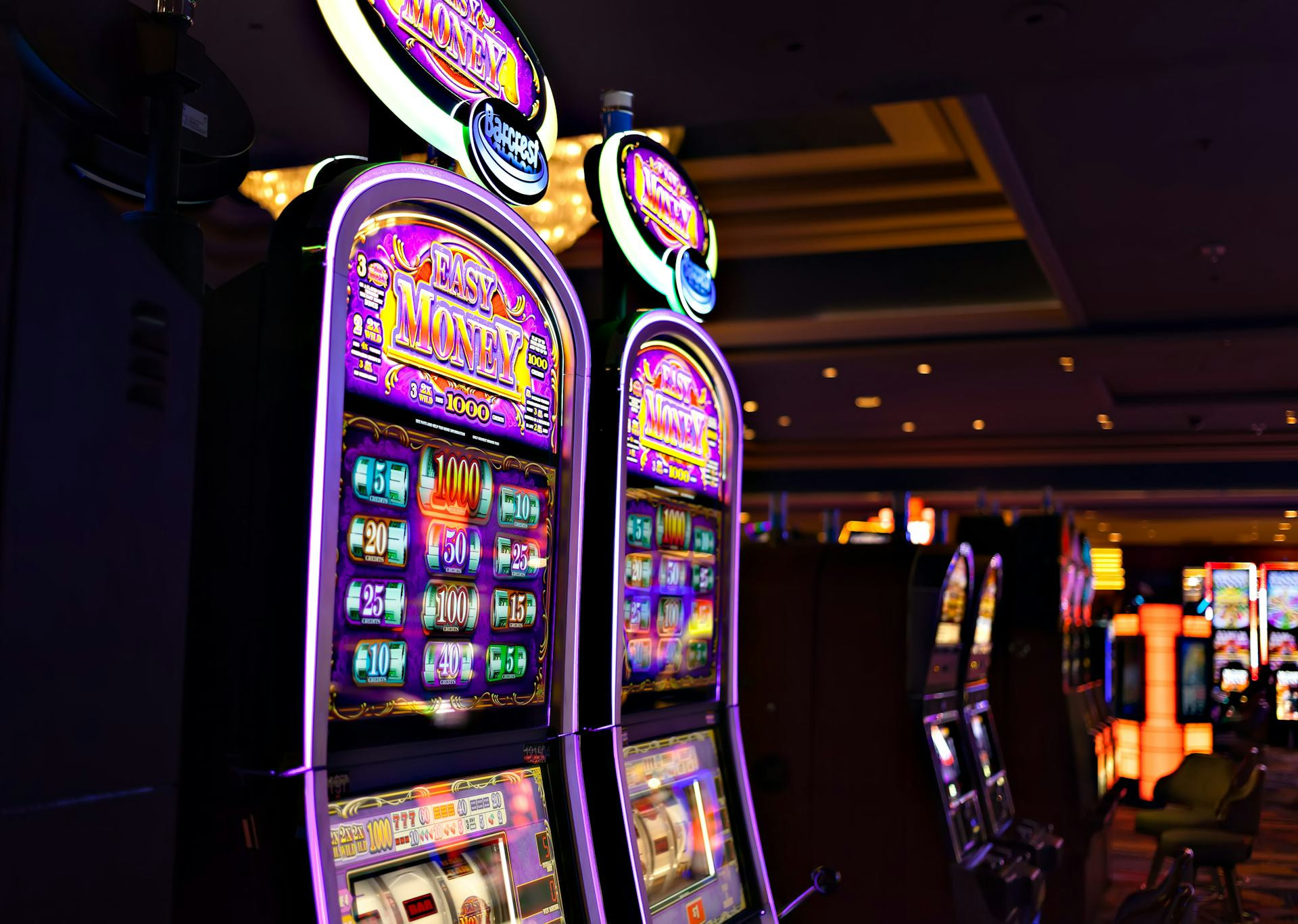
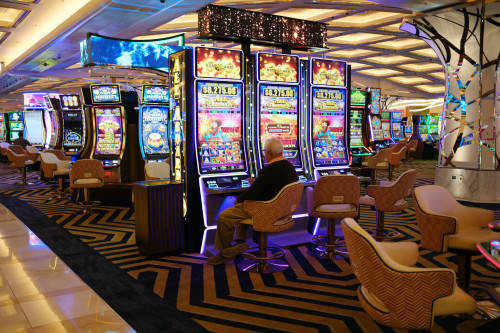
In games of chance, like slots or sports betting, this uncertainty is built into the design. Every spin or play carries the possibility of a win, and that unpredictability keeps us hooked. The small chance of success, combined with the constant sense of “maybe this time,” creates a rhythm of hope and excitement that the brain rewards with dopamine.
Everyday Anticipation
Of course, this isn’t just about games. We experience the same psychological process in everyday life. Think about the days leading up to a vacation, the excitement before a concert, or the moments before opening a long-awaited package. In each case, it’s not only the event itself that brings joy — it’s the waiting that gives life a spark of energy.
Recognizing this can help us appreciate anticipation as a source of happiness in its own right. Instead of rushing toward the finish line, we can learn to savor the build-up — the countdown, the planning, the dreaming. When we do, we get more enjoyment not just from the reward, but from the journey toward it.
When the Thrill Takes Over
While anticipation can be a healthy motivator, it can also become addictive. If we start chasing that feeling constantly — for example, through repeated gambling or endless scrolling for the next “hit” of excitement — the brain can adapt, demanding more stimulation to feel the same rush. That’s when the thrill of anticipation can turn into a cycle of craving rather than enjoyment.
The key is balance. Playing for fun, not for the win, helps keep the experience positive. It’s about enjoying the moment, not just the outcome.
The Joy of the Wait
Anticipation is a natural and essential part of being human. It reminds us that pleasure doesn’t only come from achieving something, but from the hope, curiosity, and excitement that lead up to it. When we understand why anticipation feels so good, we can use it to enrich our experiences — whether we’re waiting for a jackpot, a holiday, or simply the next great moment in life.
Læs også: