Light, Sound, and Speed: How Slot Machines Keep You Hooked


Light, Sound, and Speed: How Slot Machines Keep You Hooked
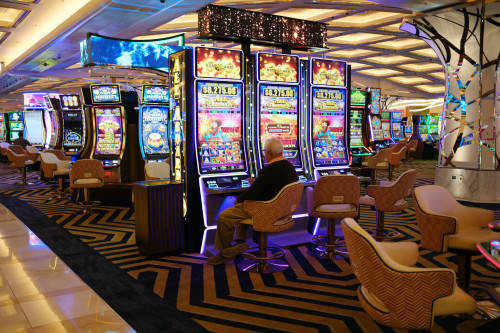
Walk into any casino in Las Vegas—or open a casino app on your phone—and you’re instantly surrounded by flashing lights, upbeat sounds, and a constant sense of motion. None of it is accidental. Slot machines are carefully engineered to capture and hold your attention through a mix of visual stimulation, sound design, and rapid gameplay. Behind the spinning reels lies a sophisticated blend of psychology and technology, all aimed at keeping you engaged for as long as possible.
Colors and Lights: The Visual Trap
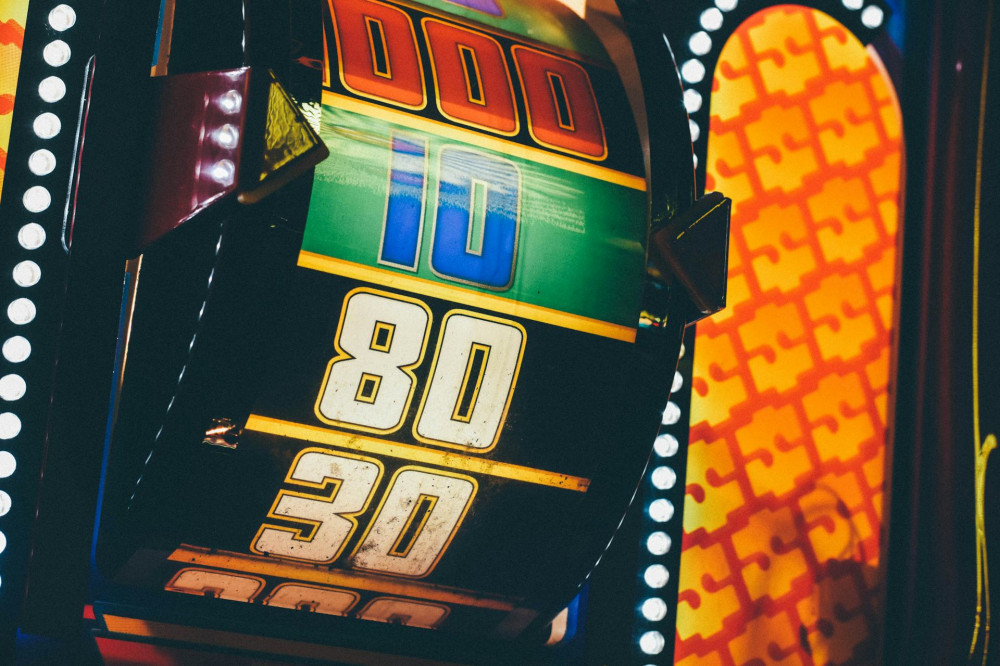
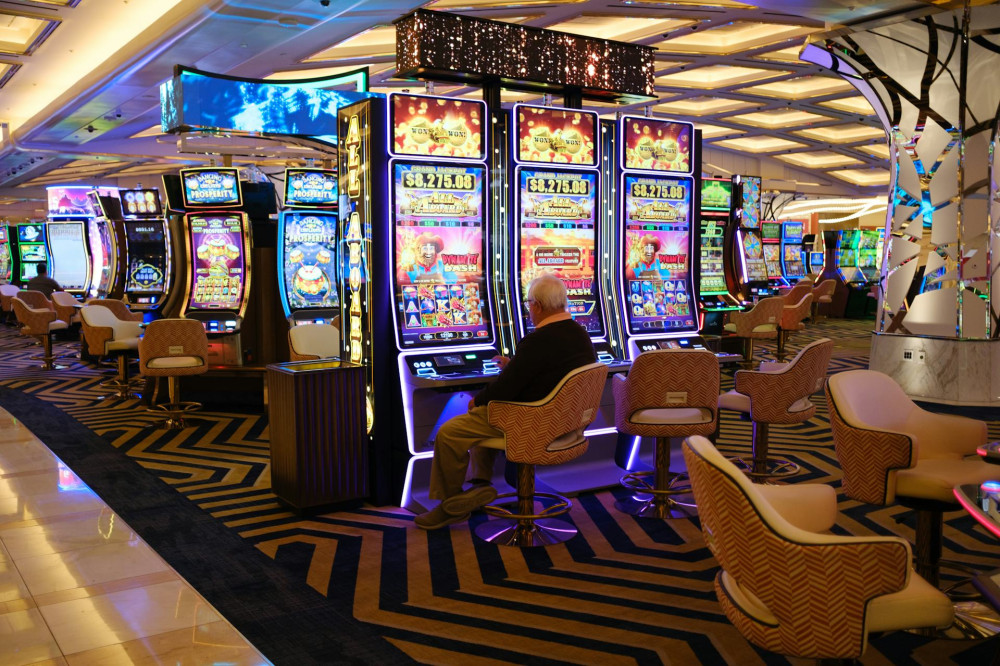
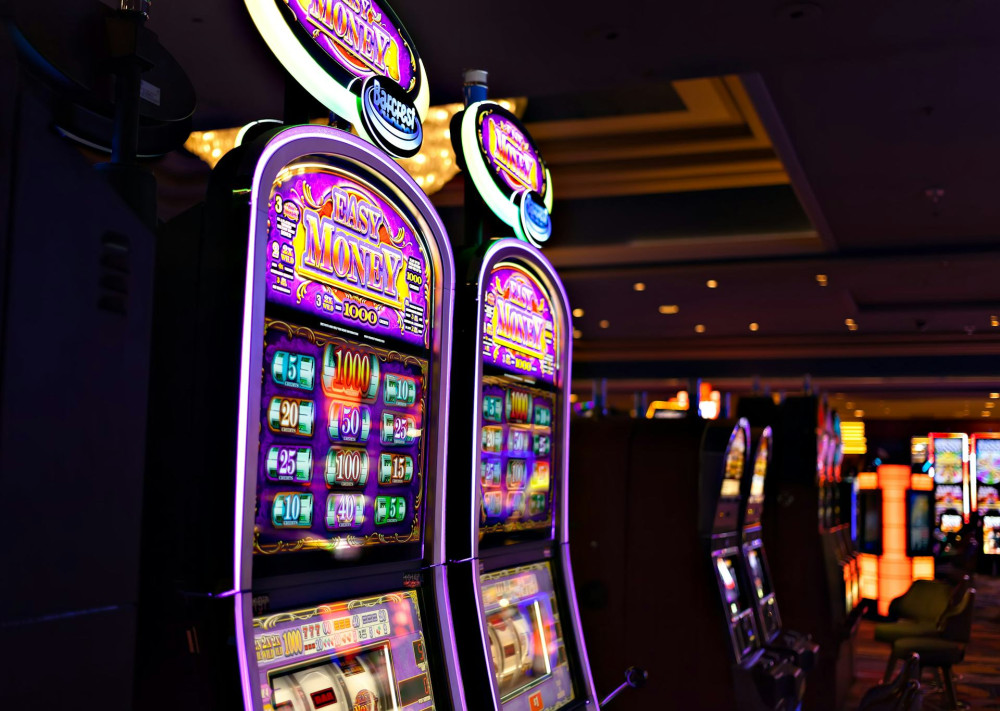
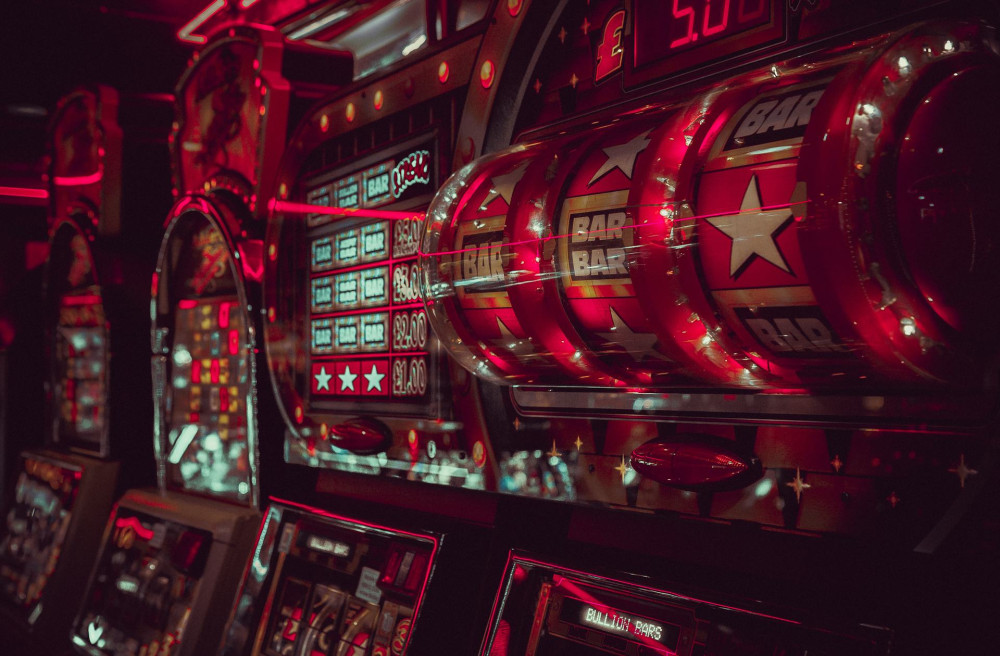
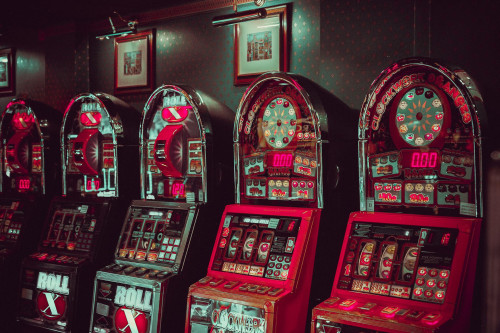
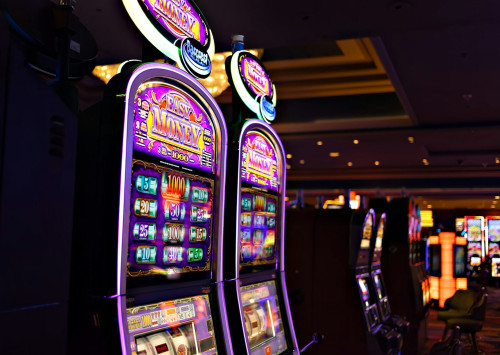
Slot machines are designed to stand out. Bright reds, golds, and blues dominate the screens and cabinets, each color chosen for its psychological effect. Red evokes excitement and urgency, gold suggests wealth and success, and blue creates a sense of calm and trust. Together, they form a visual environment that feels both thrilling and safe—a perfect combination for keeping players in their seats.
The flashing lights are more than decoration. When you win—even a small amount—the machine celebrates with bursts of light that mimic fireworks. This triggers a small dopamine release in the brain, giving you a sense of reward. Even when you lose, the constant flicker and motion create the illusion of progress, encouraging you to keep spinning.
The Power of Sound: Music and Effects That Shape Emotion
Sound is one of the most powerful tools in a slot machine’s arsenal. Each game has its own soundscape, designed to match its theme and mood—whether it’s a lively party atmosphere or a mysterious adventure. The moment you press “spin,” a short sequence of sounds builds anticipation, and when the reels stop, a cheerful jingle plays, regardless of whether you’ve won big or just a few cents.
Studies have shown that fast, rhythmic sounds make players spin more quickly and stay in the game longer. The background music can also create a sense of “flow,” where time seems to disappear. This auditory design keeps your brain stimulated and your focus locked in, making it harder to step away.
Læs også:
Speed and Rhythm: When the Game Never Pauses
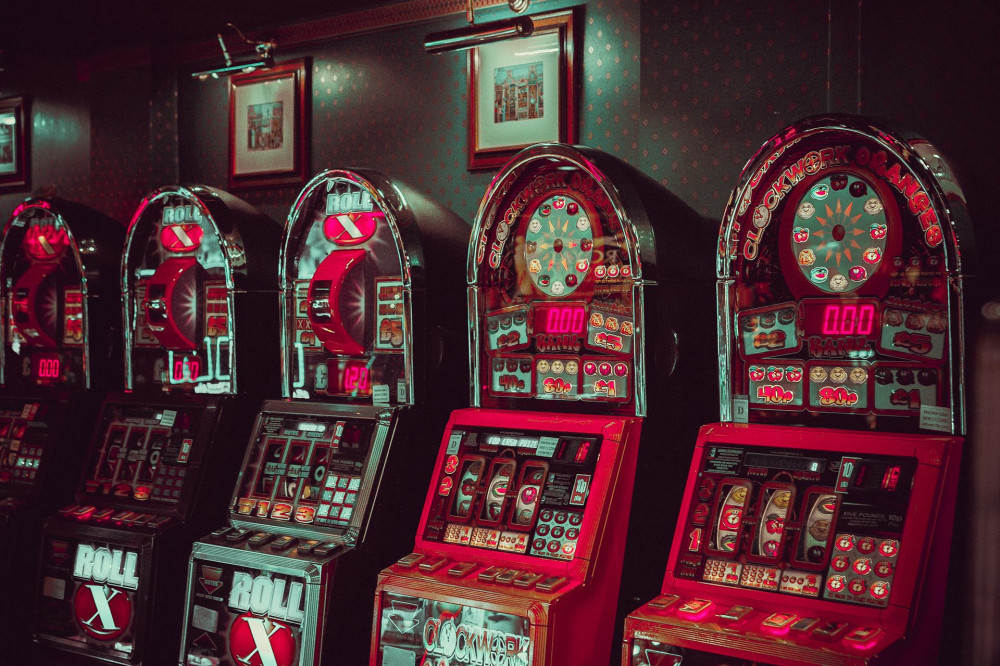
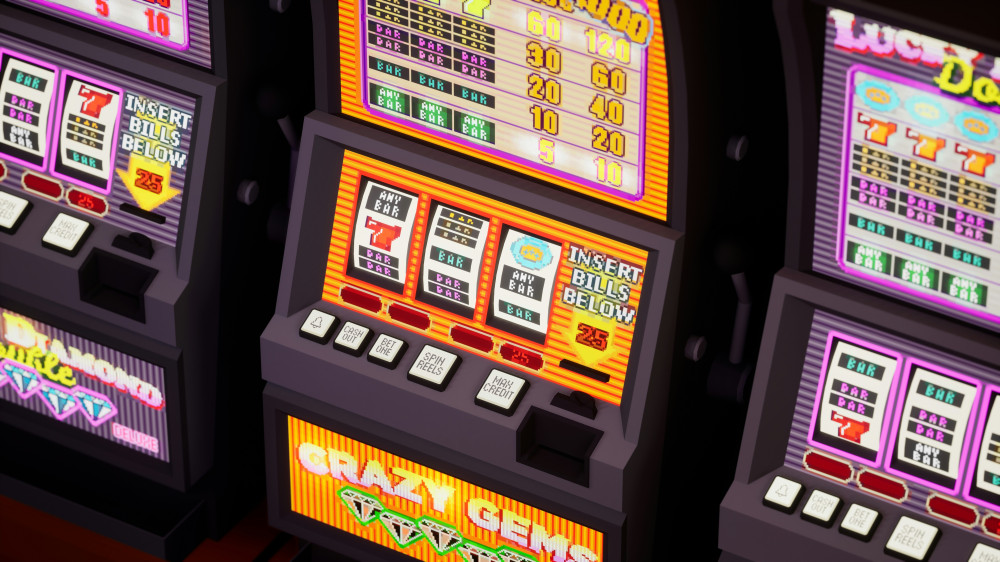
One of the most effective features of modern slot machines is their pace. Unlike table games such as blackjack or poker, where you have to wait for other players, slots let you play again instantly. Each spin takes only a few seconds, and there’s no downtime between rounds. This creates a rhythm that feels natural and addictive.
Many machines and online slots also offer “autoplay” options, allowing the game to spin automatically. You don’t even have to press a button—yet the lights and sounds keep firing, maintaining the illusion of constant activity. It’s easy to lose track of time in this hypnotic loop.
The Psychology of the Near Miss
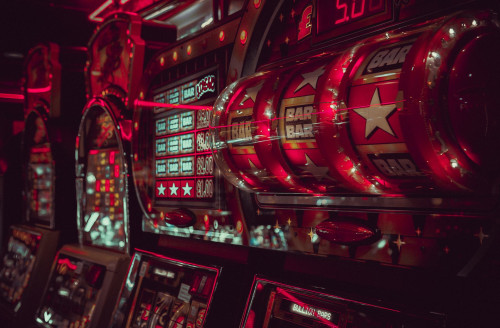
One of the most fascinating psychological tricks in slot design is the “near miss.” When the reels stop just one symbol away from a jackpot, your brain interprets it as a partial win. This triggers a dopamine response similar to an actual victory, motivating you to try again. Game designers intentionally program these near misses to appear frequently enough to keep you chasing that next spin.
Digital Design and Personalization
Online slot games take these techniques even further. Developers use data analytics to track player behavior and adjust the experience in real time. If you’ve been playing for a while, the game might subtly change its pace, music, or reward frequency to keep you engaged. This personalized design makes the experience feel tailored to you—but it also makes it harder to stop.
When Entertainment Meets Psychology
Slot machines are, at their core, a form of entertainment. But they’re built on a deep understanding of human behavior. The combination of light, sound, and speed creates an experience that feels exciting and rewarding—even when you’re not winning. For most people, it’s harmless fun. For others, the same psychological mechanisms can lead to excessive play.
Understanding how these machines are designed can help you play more consciously. When you recognize why the game feels so compelling, it becomes easier to set limits—and to enjoy the thrill of the spin on your own terms.
Læs også: