Roulette – From Casino Game to Pop Culture Icon

Roulette – From Casino Game to Pop Culture Icon
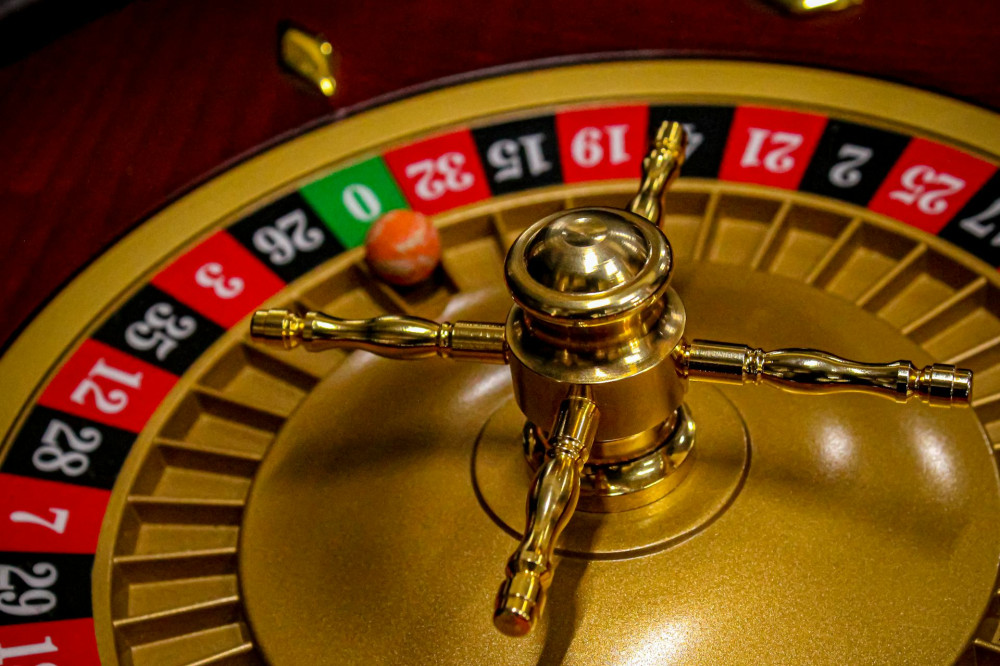
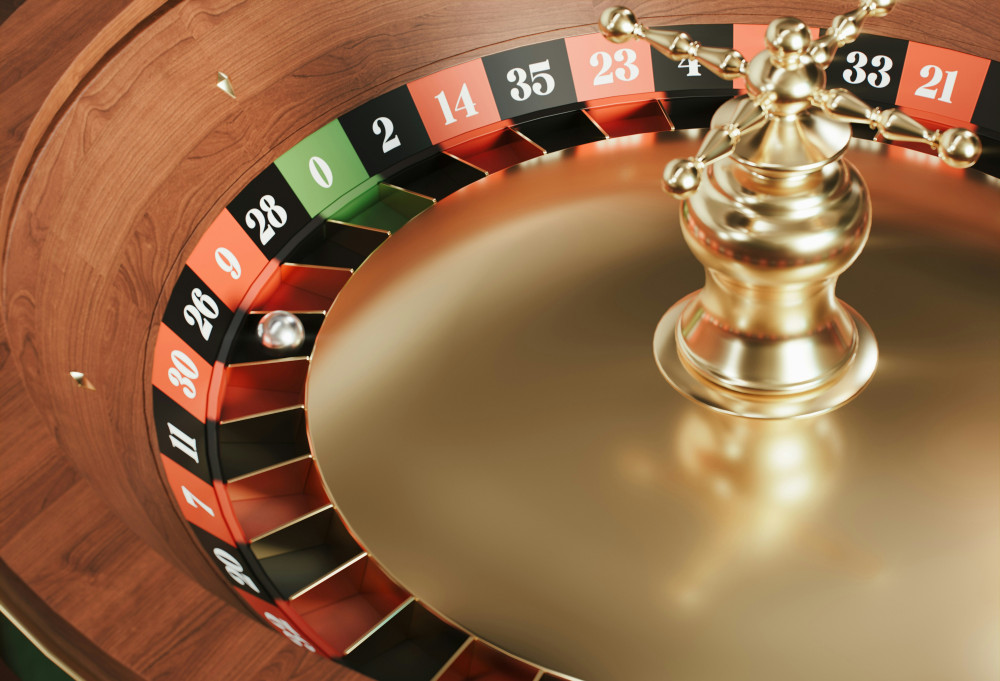
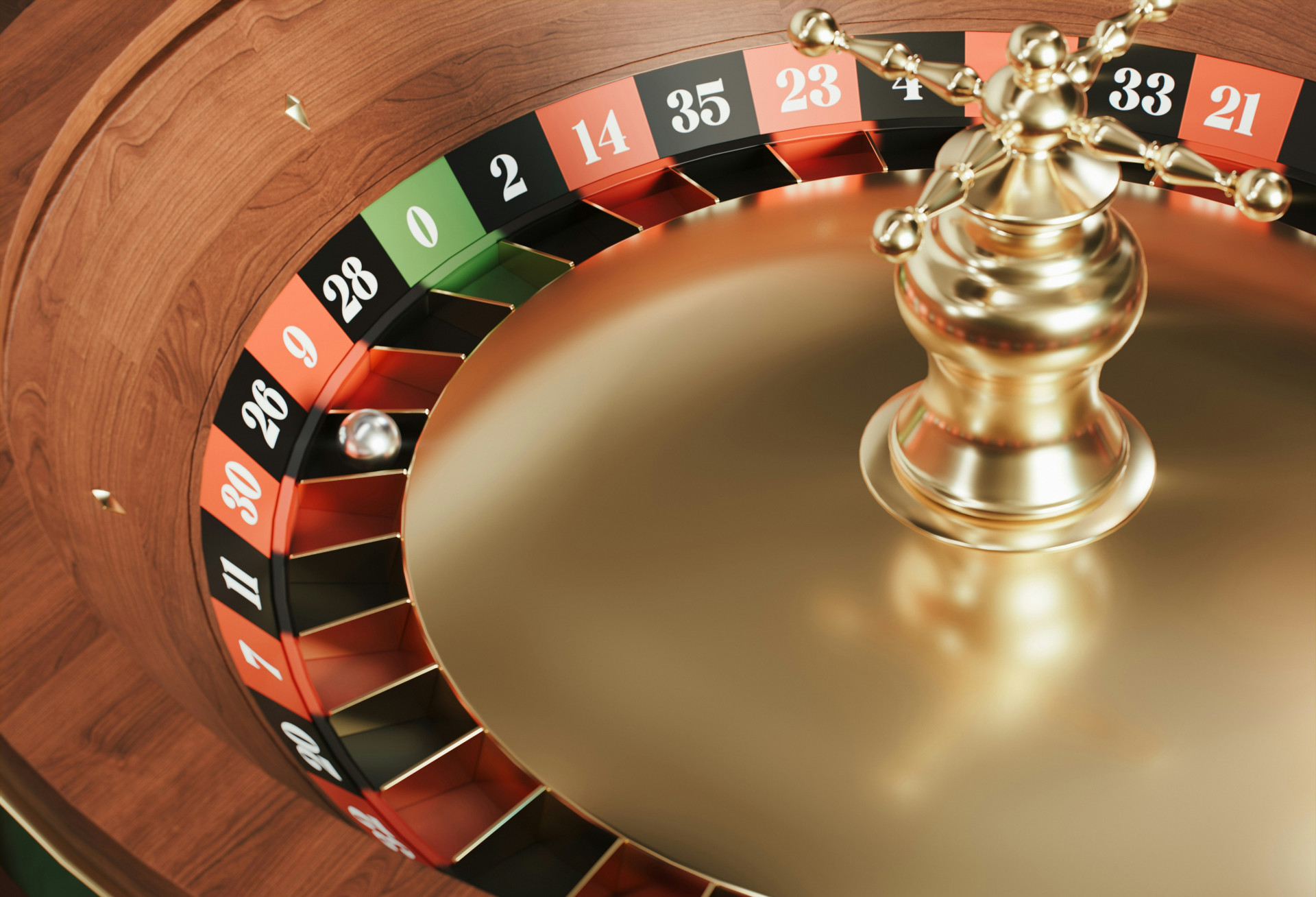
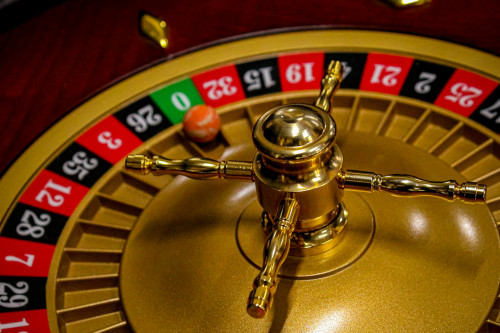
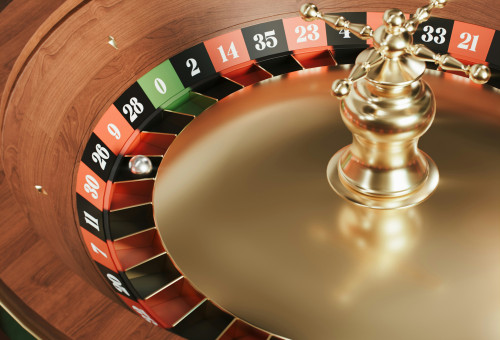
Roulette is one of the most recognizable casino games in the world. With its spinning wheel, the small white ball, and the tense silence before it lands, the game has for more than two centuries symbolized elegance, risk, and the allure of chance. But roulette is more than just a game—it’s a cultural icon that has found its way into film, music, fashion, and the broader stories we tell about luck and fate.
From French Salons to the Bright Lights of Las Vegas
The story of roulette begins in 18th-century France, where it emerged as a blend of various gambling games and the experiments of mathematician and physicist Blaise Pascal, who was searching for a perpetual motion machine. The name “roulette” means “little wheel” in French, and it was indeed the wheel that made the game unique. By the 19th century, roulette had spread across Europe’s grand casinos—most famously in Monte Carlo, where it became a symbol of luxury and decadence.
When roulette crossed the Atlantic, it evolved into something distinctly American. U.S. casino operators added an extra zero to the wheel, increasing the house edge and creating what we now know as American roulette. The European version, with a single zero, remained popular among players who preferred better odds. Today, both versions coexist, each representing a different chapter in the game’s global journey.
A Game Balancing Math and Mystery
At its core, roulette is simple: you bet on where the ball will land. Yet it has fascinated players, mathematicians, and dreamers for centuries. Probability theory, betting systems, and pattern analysis have all been used in attempts to “beat the wheel.” From the classic Martingale system—where players double their bet after each loss—to more complex statistical strategies, the goal has always been the same: to find order in randomness.
But it’s precisely that randomness that gives roulette its magic. The game is not just about numbers and odds—it’s about emotion. The thrill of the spin, the hope that luck will turn, and the moment of suspense before the ball settles are what keep players coming back. Roulette captures the human desire to take risks, to believe that fortune might smile on us, even for a moment.
Roulette on the Silver Screen
Few casino images are as cinematic as the roulette wheel. In Hollywood, it often serves as a symbol of fate, risk, and the human urge to challenge chance. In classic films like Casablanca, the roulette table becomes more than a place to gamble—it’s a stage for moral choices, love, and destiny. In modern thrillers and action movies, the spinning wheel often mirrors the chaos and unpredictability of life itself. Whether in a smoky 1940s casino or a sleek Las Vegas resort, roulette remains a visual shorthand for suspense and possibility.
Læs også:
From Casino Floors to Pop Culture
Roulette’s influence extends far beyond the casino. In music, fashion, and advertising, the wheel’s red and black pattern has become a symbol of glamour and risk. Designers have borrowed its color scheme for bold collections, while musicians and artists use roulette as a metaphor for love, chance, and daring. The game embodies both the dream of instant fortune and the acceptance that everything ultimately depends on luck.
In American pop culture, roulette often represents the thrill of taking chances—the same spirit that built Las Vegas and fuels the country’s fascination with risk and reward. It’s a reminder that fortune favors the bold, even when the odds are uncertain.
The Digital Age – Roulette on the Screen
Today, roulette has found new life online. Digital casinos and live-streamed games bring the experience to players’ homes, allowing them to watch the ball spin in real time. Technology has made the game more accessible than ever, but the fascination remains unchanged: the anticipation, the spin, and the hope that the ball will land just right.
Online gaming has also introduced new variations—mini-roulette, multi-wheel versions, and themed tables that blend classic gameplay with modern innovation. These adaptations show that roulette continues to evolve while staying true to its timeless essence.
A Timeless Symbol of Luck and Risk
Roulette is more than a casino game—it’s a reflection of our relationship with chance. We know the outcome is beyond our control, yet we play anyway. Perhaps that’s why roulette endures: it reminds us that life itself is a game of risk and reward, where we must take chances, accept losses, and celebrate those rare moments when the ball lands exactly where we hoped.
Læs også: