Local Differences, Global Trends – The Cultural Evolution of Casinos

Local Differences, Global Trends – The Cultural Evolution of Casinos
Casinos have long mirrored the societies that built them. From the gilded halls of Monte Carlo to the neon glow of Las Vegas and the sleek digital platforms that now connect players across continents, the evolution of gambling spaces tells a story of cultural change. Each era and region has shaped the casino in its own image—reflecting local values, aspirations, and attitudes toward risk and reward. But how has this evolution unfolded, and what does it reveal about the cultures that play?
From European Salons to American Dreams
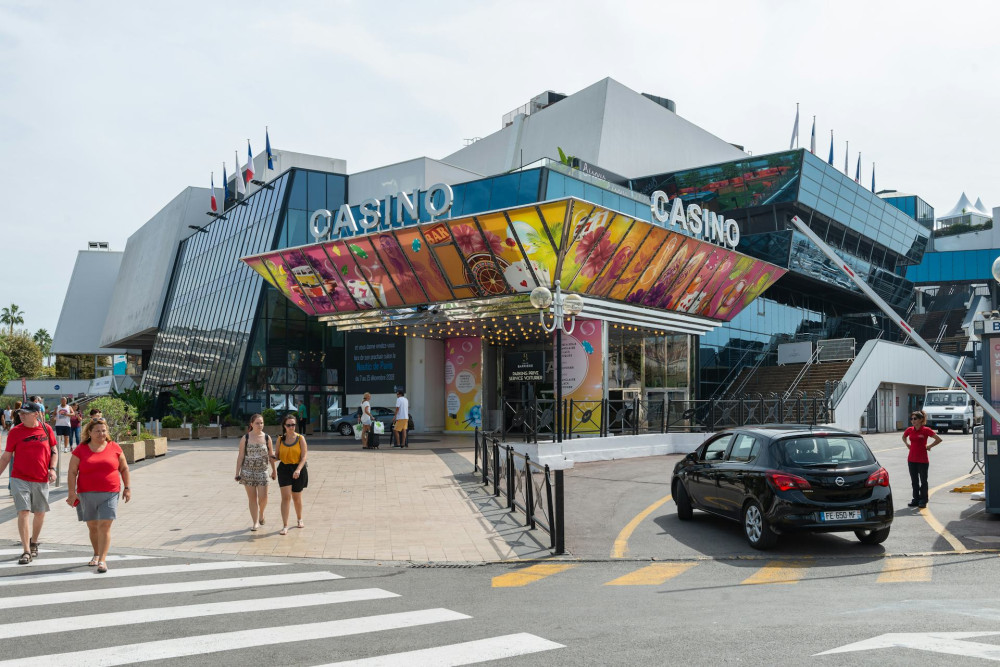
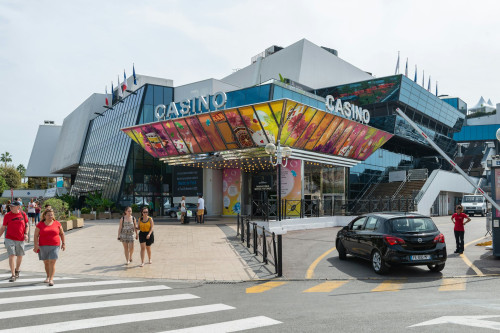
The word casino originated in 17th-century Italy, meaning a “little house” for leisure and conversation. Early casinos were social hubs for the elite—places to play cards, discuss politics, and enjoy music. By the 19th century, the concept had spread across Europe, with Monte Carlo and Baden-Baden becoming symbols of refinement and privilege. Gambling was not just entertainment; it was a performance of status and taste.
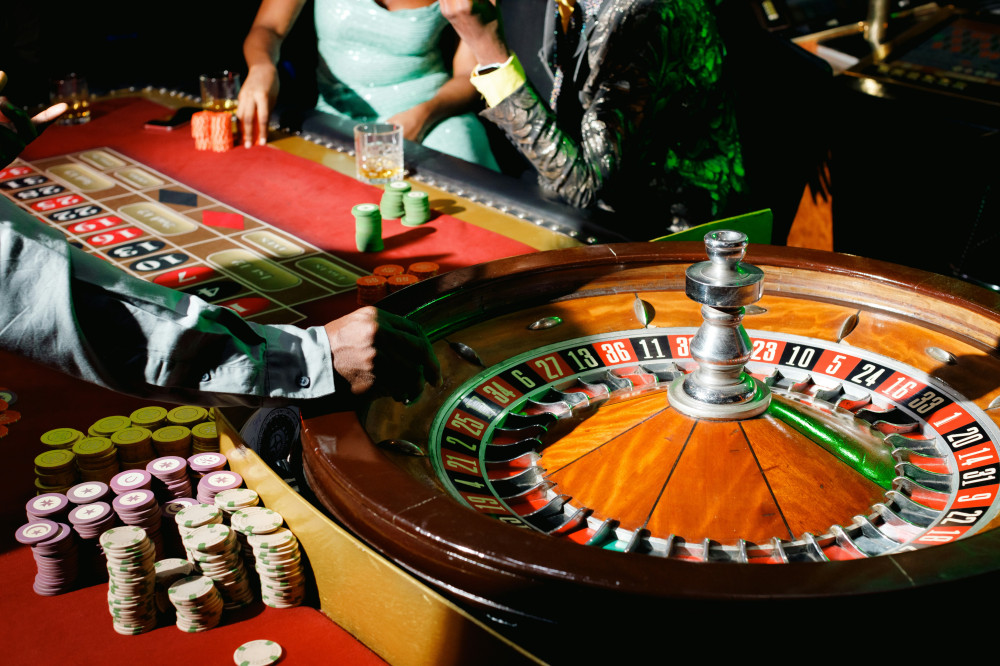
When the idea crossed the Atlantic, it transformed. In the United States, gambling became part of a broader entertainment culture—less about aristocratic decorum and more about excitement, accessibility, and spectacle. Las Vegas, rising from the Nevada desert in the mid-20th century, embodied this shift. It turned gambling into a democratic thrill, wrapped in lights, music, and the promise of reinvention. The casino became a stage for the American dream, where anyone might strike it rich—or at least feel like they could.
The American Model – Entertainment for the Masses
Unlike Europe’s exclusive salons, American casinos embraced inclusivity and showmanship. They combined gaming with live performances, fine dining, and themed architecture. The Strip became a cultural icon, blending fantasy and commerce in a uniquely American way. Over time, casinos also became economic engines—driving tourism, creating jobs, and shaping local identities from Las Vegas to Atlantic City and, more recently, tribal lands across the country.
Native American casinos, in particular, have added a new cultural dimension. Operated under tribal sovereignty, they have provided economic independence and cultural revitalization for many Indigenous communities. This development underscores how casinos in the U.S. are not just entertainment venues but also instruments of social and economic transformation.
Asia’s Rise – Tradition Meets Modernity
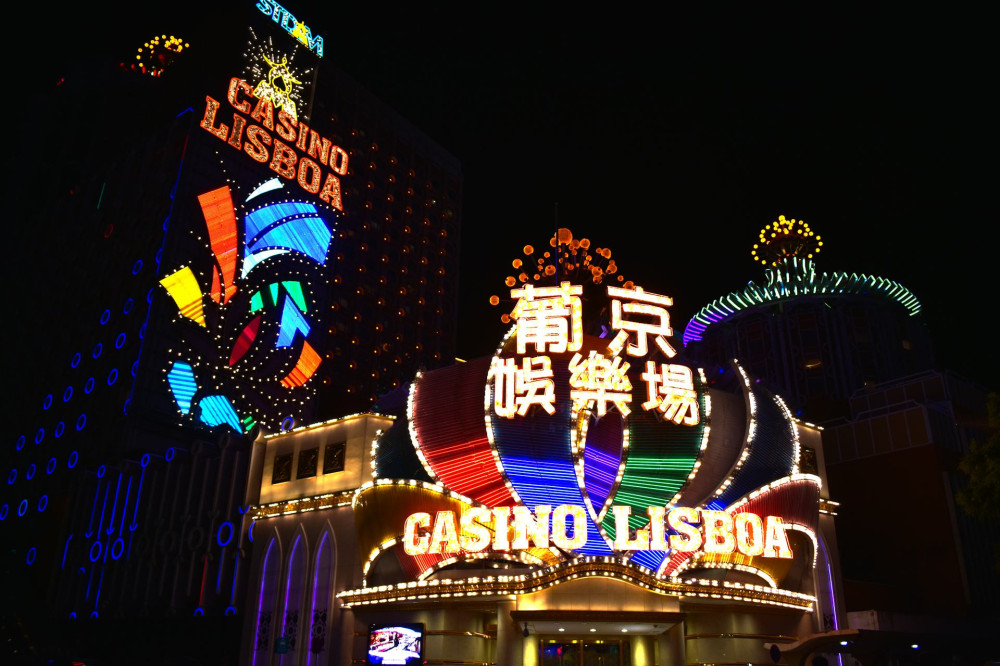
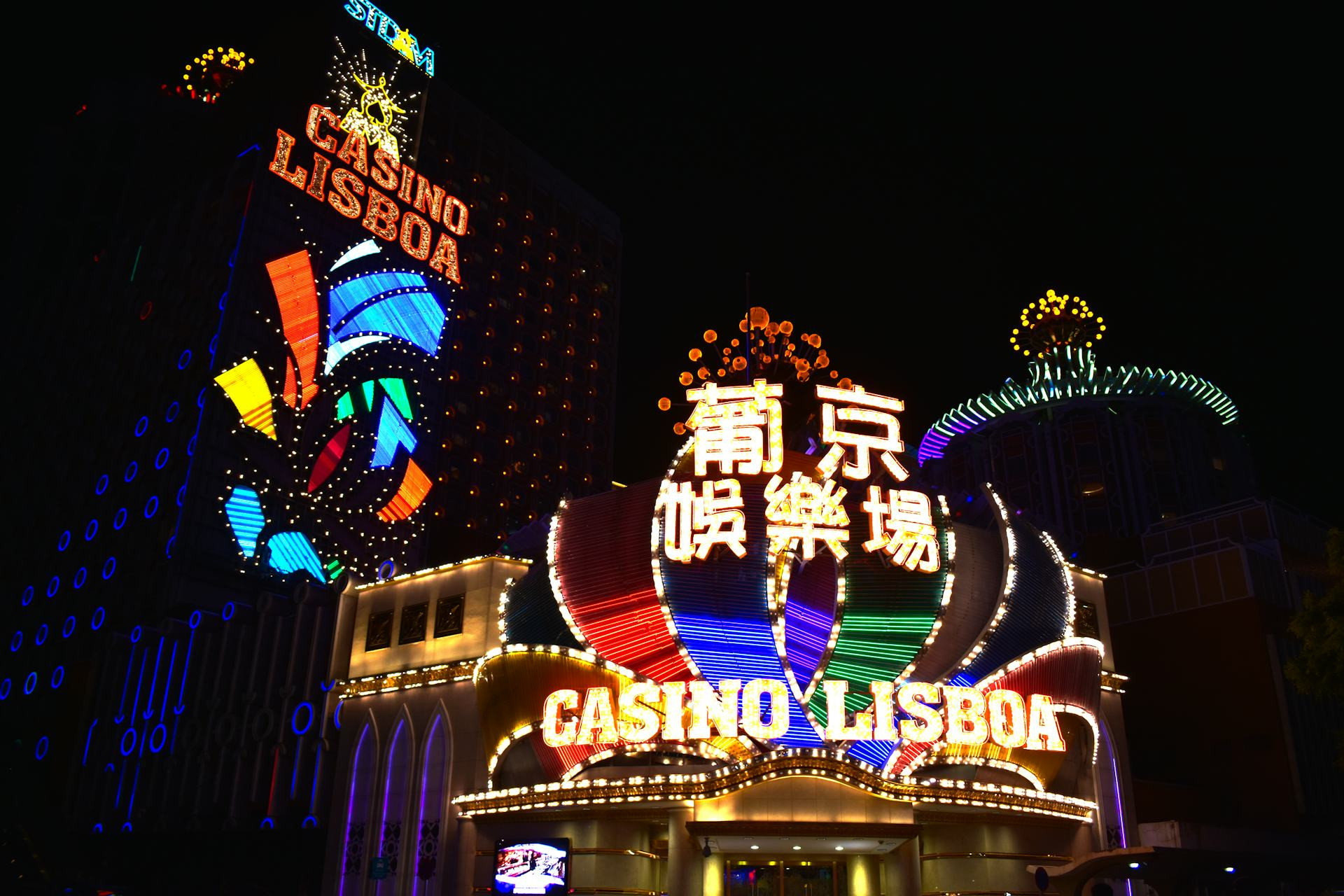
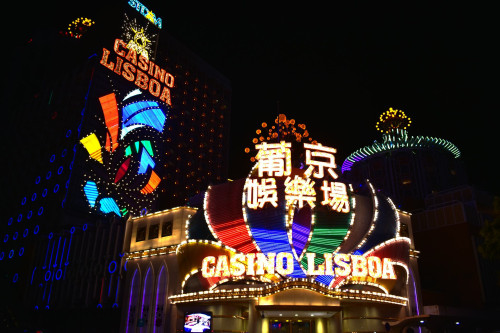
In recent decades, Asia has become the new epicenter of global gambling. Macau now surpasses Las Vegas in gaming revenue, blending Chinese traditions of luck and superstition with Western-style luxury. Singapore and Japan have taken a more controlled approach, integrating casinos into large-scale resort complexes designed to attract international visitors while maintaining strict regulation.
These developments highlight how casinos adapt to local contexts. In Asia, gambling often carries deep cultural symbolism—linked to fortune, family, and festivity—while also serving as a tool for national branding and tourism strategy. The result is a fusion of old and new, where cultural heritage meets cutting-edge design and technology.
The Digital Revolution – A Global Casino Without Walls
The internet has brought the most dramatic transformation yet. Online casinos have made gambling accessible to millions, anytime and anywhere. Players can now join live tables, chat with dealers, and compete with others across the globe—all from their phones or laptops. This digital shift has created new communities and new challenges, from responsible gaming to cybersecurity.
In the U.S., online gambling has grown rapidly as states move to legalize and regulate it. The focus has increasingly turned toward consumer protection, transparency, and technological innovation. Meanwhile, global platforms continue to blur national boundaries, creating a shared gaming culture that is both universal and deeply personal.
Læs også:

Cultural Contrasts and Shared Fascination
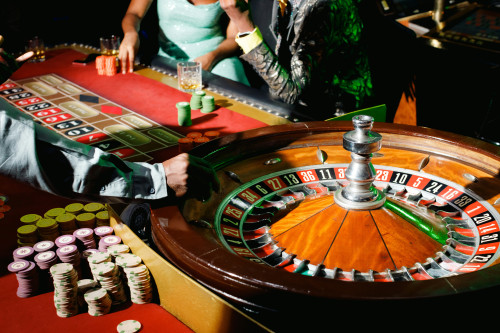
Despite regional differences, the allure of the casino remains remarkably consistent. It’s about more than money—it’s about anticipation, social connection, and the thrill of possibility. In the U.S., casinos are woven into the fabric of entertainment, from the glitz of Las Vegas to the convenience of mobile apps. In Europe, they still carry echoes of elegance; in Asia, they blend tradition with ambition. Everywhere, they reflect how societies balance risk, reward, and regulation.
The Future – Between Tradition and Technology
Tomorrow’s casinos will likely merge the physical and digital worlds. Virtual reality, live-streamed dealers, and personalized gaming experiences are already reshaping how people play. Yet local culture will continue to leave its mark—from the minimalist precision of Japanese design to the exuberant showmanship of American resorts.
The cultural evolution of casinos shows that globalization doesn’t erase differences—it amplifies them in new ways. The games may be the same, but the way we play, and what that play means, continues to tell a story about who we are and what we value.
Læs også: