Is the Game Well Designed? How to Evaluate Progression and Player Satisfaction


Is the Game Well Designed? How to Evaluate Progression and Player Satisfaction
When you play a game—whether it’s a mobile app, an online casino game, or a major console release—the experience you have is rarely accidental. Every level, reward, and challenge is carefully crafted to keep you engaged. But what actually makes a game well designed? And how can you, as a player, tell whether its progression and satisfaction are balanced in a way that feels fair and motivating?
Here’s a guide to understanding how game design shapes your experience, and how you can evaluate whether a game truly delivers on its promise of fun and engagement.
What Does Good Game Progression Mean?
Progression is the sense of moving forward—of improving, unlocking, and achieving. It can take many forms: leveling up, earning points, completing missions, or gaining new abilities. A well-designed progression system feels natural. You sense that your effort is paying off, and that the game rewards you at just the right pace.
Poor progression, on the other hand, can make a game feel either too easy or too punishing. If you breeze through every challenge, boredom sets in quickly. But if you feel stuck or constantly defeated, frustration takes over.
The best games strike a balance between challenge and skill—a concept often called the “flow zone.” In this state, you’re constantly improving, but never overwhelmed. You feel capable, yet motivated to keep pushing forward.
Reward Systems: How Games Speak to the Brain
Rewards are at the heart of what makes games addictive—in both good and bad ways. They can be tangible, like points, prizes, or new features, or more emotional, like the satisfaction of mastering a skill. In casino games, it might be a jackpot or bonus round; in an adventure game, it could be a rare item or a new ability.
A well-designed reward system keeps you engaged without feeling manipulative. It’s all about timing and variety: small, frequent rewards that maintain momentum, and larger, milestone rewards that feel truly earned.
If rewards come too rarely or feel random, the game can seem unfair. But if they come too often, they lose their meaning—like getting dessert after every meal. The best games create a rhythm of anticipation and satisfaction that keeps you coming back for more.
Player Satisfaction: More Than Just Winning
True player satisfaction isn’t just about victory—it’s about control, fairness, and meaning. A well-designed game gives you the sense that your choices matter, that your actions influence the outcome.
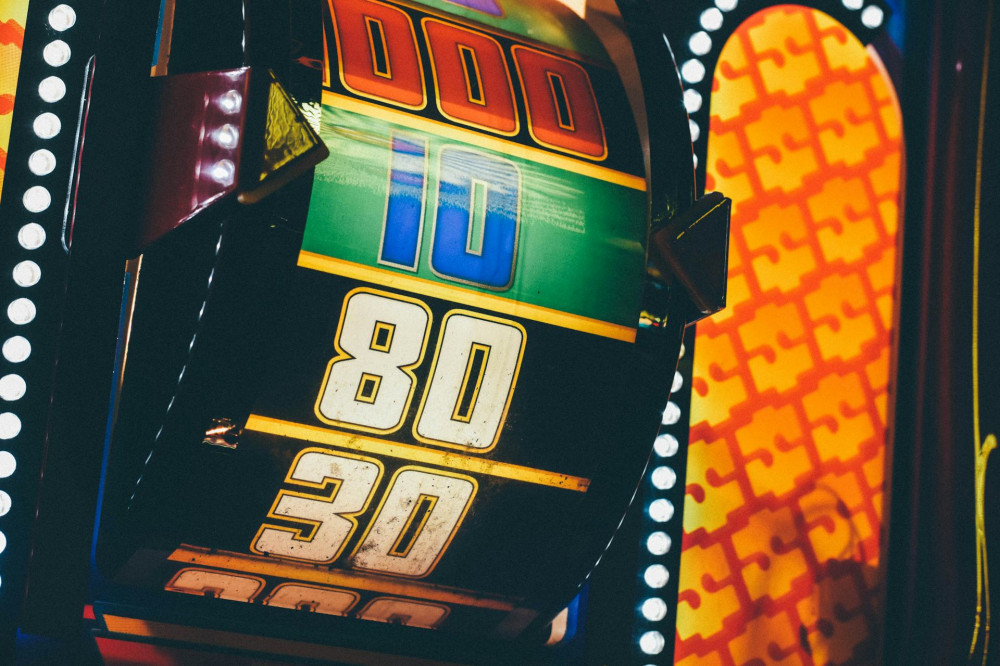
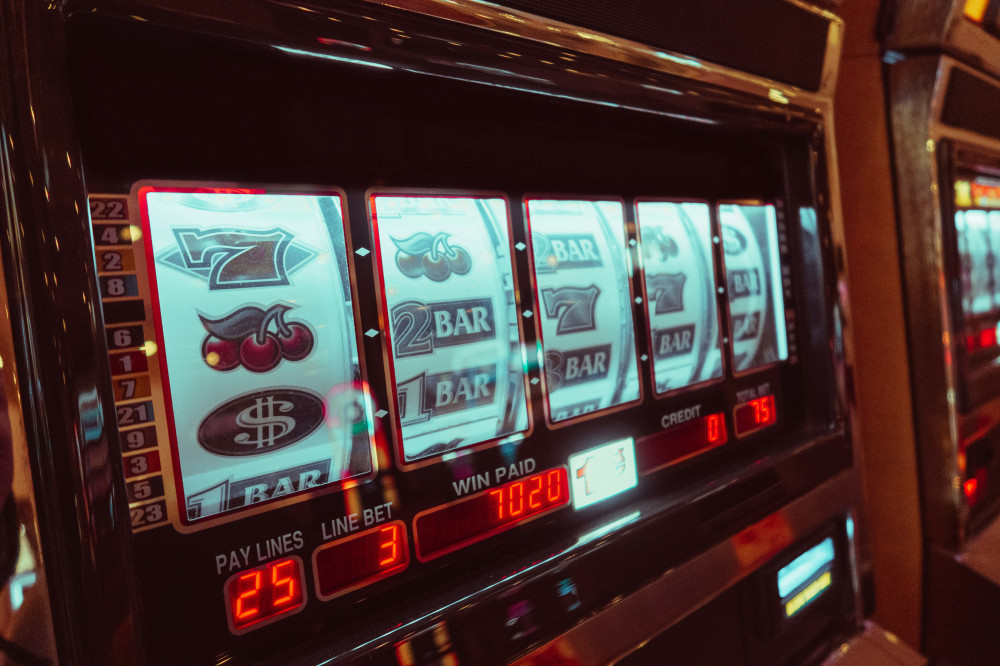
Even in games of chance, like slots or roulette, design plays a major role in how enjoyable the experience feels. The visuals, sounds, and pacing all affect your perception of excitement and fairness. A game that feels smooth, intuitive, and visually appealing creates a more satisfying experience than one that feels cluttered or confusing.
Ultimately, a good game makes you want to return—not just to win, but because the experience itself feels rewarding and well balanced.
How to Evaluate a Game’s Design Yourself
When you try a new game, ask yourself a few simple questions to gauge its design quality:
- Does the progression feel natural? Are you challenged at a pace that feels right?
- Are the rewards motivating? Do they arrive at moments that feel satisfying?
- Does the game feel fair? Do your choices and actions seem to matter?
- Is the experience enjoyable? Are the visuals, sounds, and pacing well balanced?
By reflecting on these points, you can better understand why some games feel engaging and others quickly lose their appeal.
Læs også:



The Role of Design in Responsible Gaming
Good game design isn’t just about entertainment—it’s also about responsibility. Thoughtful design gives players the tools to take breaks, understand the rules, and maintain control over their play. This is especially important in games that involve real money or long play sessions.
When you learn to recognize well-designed games, you also become better at choosing experiences that fit your preferences—whether that means pacing, theme, or level of risk. That awareness leads to a healthier, more enjoyable gaming experience overall.
A Cohesive Experience
A game is well designed when all its elements—progression, rewards, aesthetics, and pacing—work together to create a cohesive experience. You should feel that the game respects your time and effort, and that you gain something meaningful from playing, win or lose.
So next time you pick up a new game, pay attention to how it guides you, rewards you, and challenges you. It’s in the balance between these elements that great design reveals itself—and where a game becomes an experience worth remembering.
Læs også: